Greetings from Opal’s Farm. We will not be at Cowtown Farmers Market this week. The busy Spring planting season came to a bit of a halt this morning. The rain that came in overnight has been great for the farm and not so great for “being under the weather” physically. We will be there next Saturday morning and hate missing the Spring Festival this weekend. Bring your umbrellas and join the fun at Cowtown Farmers Market today!
I can’t stand to miss our family and friends at the market. Over the last five years, Cowtown Farmers Market has truly become family. It’s the highlight of my week. There’s something special about our market and the farmers and vendors who come each week to bring fresh local produce, meats, honey, and all kinds of other local products. I’ve learned so much from the knowledge freely shared by the farmers and friends there.
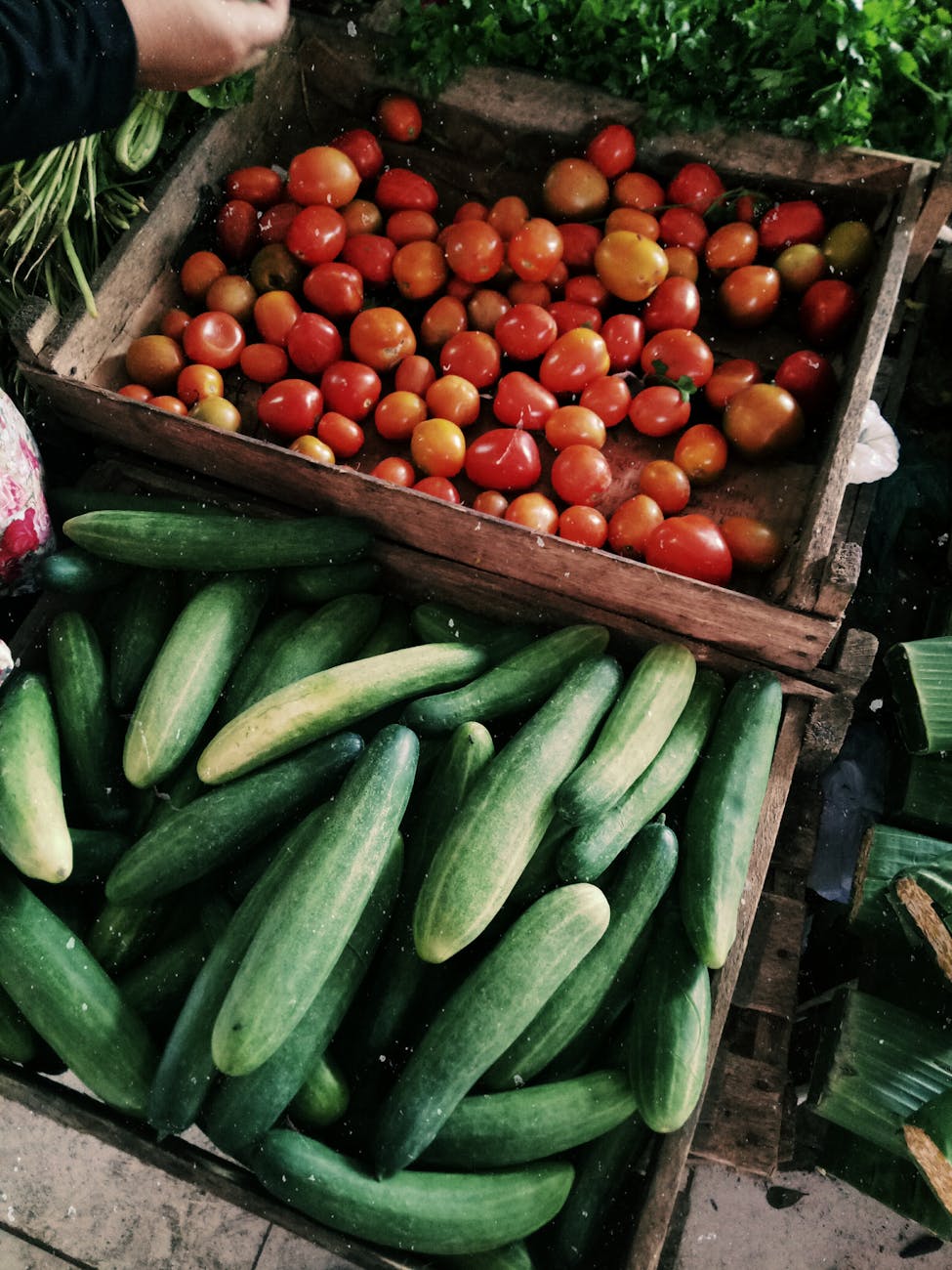
I grew up in Fort Worth but spent many days at my Uncle Carl’s ranch in South Texas or my Uncle Roof’s dairy farm up towards Boyd. I tend to be more of a carnivore when it comes to diet. That remained the case until I came to Cowtown. You see, Cowtown is unlike the way most folks shop for groceries. People actually stop and talk to one another. No avoiding hurried and harried people with shopping carts and frustration with checkout lines. You won’t find one self-checkout stand at the market; although people may line up because one of our farmers has something special that week (especially when peaches, tomatoes, and blueberries come in).
I’m no vegetarian, nor am I knocking those who are. I still love meat, but Cowtown helped me broaden my food experience. Customers have shared their many ways to cook the fresh produce we bring to market each week and I’ve tried them all (well, most of them anyway). I’ve incorporated many of their recipes into my diet. I even like greens now (except for kale – you all like it so we’ll keep growing it for you – I’m not there yet…).
I hope you will all head out to Cowtown Farmers Market on Saturday mornings. Get to know our local farmers and vendors. Cowtown is a producer-only market. All the farms are within a 150-mile radius of Fort Worth. Everything is truly local. No one is a reseller – getting their produce from a distributor or wholesaler. In other words, we don’t have field tomatoes in January or Brussell Sprouts in August. Learning to eat what’s in season is not only respecting the Earth’s rhythms but benefits overall health as well.
Food is one thing we all have in common. It is to be savored and enjoyed by family and friends and so should shopping for it!
What a week it’s been. We’ve had a gorgeous week of upper sixties and seventy-plus degree weather followed by a weekend of rain. We’d love to thank everyone who braved the elements to come out to Cowtown Farmers Market on Saturday morning. I spoke with one of our customers who said, “I can’t not be here. I can’t eat that stuff they sell at the store”. I love you! People like you are our best ambassadors! Once you’ve had local it’s hard to have anything else.
I appreciate the commitment to fresh, local, and extremely healthy produce that so many of you have. It really becomes evident on days like yesterday. I enjoy the families that bring their children and teach them the importance of healthy eating. I get excited when the kids point to a bunch of turnips or kale and ask if Mom and Dad can buy that for them. That’s the highlight of my day.
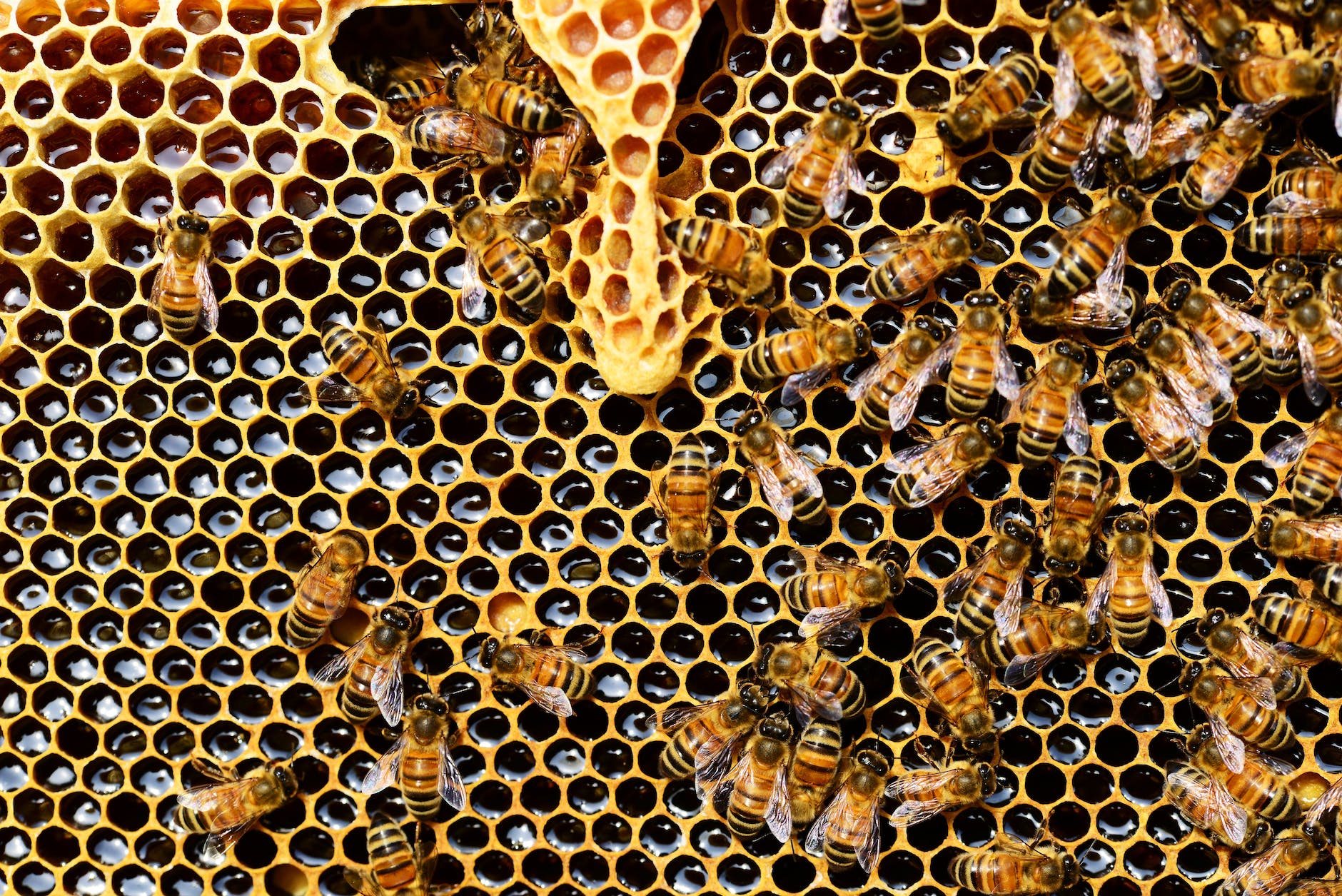
We started bee hives with the help of Brent Bennett from Green Hands Farm almost two years ago. Brent is a Master Beekeeper and has helped us reach the point where we had our first honey harvest a couple of weeks ago. Opal’s honey is not only local (which is essential for allergy help), raw, and unfiltered, it’s some of the best honey available in Fort Worth.
We plant a lot of buckwheat in the Spring. We use it between rows to attract beneficial insects as part of our integrated pest management. It’s also a favorite of our bees who bring that wonderful buckwheat taste to our honey. Come on out to Cowtown Farmers Market next Saturday and try some.
We’re working with Brent to start beekeeping classes in the Spring. Please keep an eye out for the details and sign-up site to come!
Thanks again to one and all for your support of Opal’s Farm and our local farmers markets.
A couple of weeks ago, my Monday morning meeting ended early, so I sat at the Philadelphia Airport waiting for four hours for my plane home. I’m not good at sitting but I have little choice over the next seven hours or so. It was nice to catch up on a few things, but I prefer the open fields and growing plants to rows of chairs and sitting in an airborne cigar…
I was here to attend the Black Urban Growers National Conference, or BUGs as they call it. Philly has a strong urban agriculture movement with many farms and community gardens dotting the city. They even have a Director of Urban Agriculture as part of the Parks and Recreation Department for the city government. It was great to make some connections with folks here. Hopefully, we can begin to move city government in Tarrant County, Fort Worth, and the surrounding cities to move in a positive direction for urban ag and community gardens. Jesse Herrera, Linda Fulmer, and Grow SE have moved us a long way but there’s so much to do to make Fort Worth favorable to urban agriculture and eliminating food insecurity.
Six cities currently have Urban Agriculture leaders in city government – Philadelphia, Atlanta (whose director also spoke at BUGs and was the first city in the nation to appoint a director), New York City, Detroit, Austin, Boston, Seattle, and Portland. These are also areas where there are strong food policy councils. However, each agreed that community member advocacy was essential to the formation of urban ag programs. These positions work through the mayor’s office, sustainability offices, parks, or planning departments. While Tarrant County has a food policy council, they need support from our community to have influence over policy decisions at the county or municipal level. We need is citizen support to drive progress forward for urban agriculture.
Why Urban Agriculture?
There are three primary reasons for establishing urban agriculture policies in Tarrant County municipalities – the number of food deserts, public health, and supply chain issues.
In 2020, NBC5 news reported that Tarrant County was one of the Top Ten counties in the country for food insecurity ( https://www.nbcdfw.com/news/local/fighting-hunger-urban-farming-in-fort-worths-food-desert/2292808/ ). Moreover, the USDA identified over forty areas in Tarrant County that qualify as “food deserts” – areas that are over a mile away from a grocery store. Food “desert’ is something of a misnomer. Food apartheid represented the concept far better as most of these areas are in lower income areas or communities of color. Urban agriculture and farmstands or farmers markets can make a significant impact on accessibility to fresh food in these neighborhoods. It can be costly under present urban farm and garden ordinances to build infrastructure needed for urban ag.
Public health is drastically affected by lack of access to healthy food. The zip code 76102 is the unhealthiest zip code in the state of Texas. Life expectancy is 66.7 years old – twelve years below the national average ( https://www.star-telegram.com/news/local/fort-worth/article244137362.html ). While lack of access to healthy food is not the only reason for poor health outcomes, it is certainly the root of the problem. In the Southside, Morningside, and Hillside communities there are only a dozen convenience stores that only sell snacks and highly processed canned foods lacking nutritional value. Locally grown, nutrient-dense fresh vegetables help the body’s own defenses against heart disease, high blood pressure, diabetes, cancers, and obesity that lead to shorter lifespans and higher medical costs. Costs borne by all of us.
The COVID pandemic revealed serious flaws in our present food systems. Who doesn’t remember the higher food prices and empty store shelves of many items we use every day. Breaks in the supply chain have serious consequences for the retail grocery stores. Our food travels an average of 1500 miles from the farm to your table. To reach your grocer, it has to be picked before it’s ripe, sprayed with preservatives, shipped by rail or by truck to a distribution center and delivered to each individual store. It lacks the flavor and nutrient density so many of us crave. Locally grown produce is a solution to this problem.
Moreover, local urban farmers develop a sense of community around the local farmer’s market or farmstand. The community gets to know their local farmers and their neighbors better. “Screen time”
Is often replaced by real conversations. A sense of neighborhood pride replaces some of the isolation that often plagues our senior citizens. Opal’s Farm has been a member of the Cowtown Farmers Market for five years now. We’ve developed a loyal customer base and we’ve come to know our customers as friends. We’ve been an active part of our community, and many folks have volunteered at the farm as well as become our customers.
What Can I Do?
Access to land is often easier than we think. Learn about urban agriculture in your neighborhood. Are there any community gardens? If not, is there a place for one? Are there vacant lots, churches, or schools that might be good sites for a small urban farm or community garden. Are there local learning gardens to offer growing tips and support to neighborhoods? Do your local schools have school gardens that you might volunteer with? Is there a place to gather to bring local farmers and gardeners together to offer their goods and services to the neighborhood?
Find out what the urban agriculture and community garden ordinances (or if you even have them) are in your municipality. Is zoning an issue? Neighborhood associations are often a great place to start if you have one. If not, local code compliance or development departments can provide guidelines.
Here in Fort Worth, urban agriculture ordinances were almost non-existent and what we did have was more of a barrier than a help. A local initiative by County Commissioner Brooks Office called Grow SE brought local non-profits and urban farmers together to address this issue. Grow SE worked diligently to address and change the city ordinances that limit urban ag and have made it much easier to build the infrastructure to make it successful but – we have a long way to go!
Get involved with your local food policy council. Food Policy Councils were first authorized in the 2014 Farm Bill and re-emphasized in the 2018 Farm Bill. If your city does not have one, then start one. Here in Tarrant County, we are fortunate to have a council with working groups in urban ag and food waste (a significant issue as Fort Worth faces having to build the infrastructure for a new landfill). Food policy councils can have a major effect on local food policy and urban agriculture.
Contact your local city council member and make your voice heard. Attend city council meetings and ask your neighbors to do so as well. Talk to your local officials and let them know this is a big issue to deal with. Changing the food system and delivery to your table begins at the local level!
I’m excited to be home and to continue our Fall growing and prepping for next Spring. I’d love to have you come out and start your urban agriculture journey with Opal’s Farm. Come see the possibilities for positive change here in Fort Worth and Tarrant County. Bring your kids. Kids (and unfortunately many adults) have no idea where their food comes from. Once they learn how good food is grown and distributed to our communities, they get excited to be a part of the process. The fresh air, vitamin D, and “playing in the dirt” is great for them (and for you!) Come and see!
I’ve learned that if you won’t take a break from work then the universe tends to make you! I’ve spent the last five days in the hospital (more on that in a minute) due to a raging infection that started with what appeared to be a fire ant bite. No one knows for sure but that triggered it. The swelling, redness, and heat have gone down a lot, thanks to some high-powered IV antibiotics. I can actually see my knuckles again! Hopefully I will be discharged from the hospital and switch to oral antibiotics on Monday and then it’s back to the farm.
When they admitted me, they put me in the “Hospital at Home” program. I feel like I should have an ankle monitor since I’m required to stay home (it’s a good version of house arrest), but “facts are not feelings”. This is a wonderful care program developed by Texas Health Resources. They put in all the tech equipment necessary to keep me in touch with my care team. I receive several visits per day from paramedics to help with medications and IVs as well as from Nurse Practitioners. The iPad keeps virtual doctor and nurse contact, and my vital signs are monitored the same as in the hospital itself. They’ve also discovered that patients heal quicker in their own homes. I get it. I never thought I would say that I’ve enjoyed a hospital stay, but the care team is amazing. Texas Health Resources is not only a great sponsor of the farm but a great health partner personally.
Amber and Amanda have done an outstanding job of keeping things going at the farm. This is probably the worst possible time to be down, but they have kept the growing season going strong. They’ve also kept me updated several times a day. They had the best day so far at Cowtown Farmers Market this morning for Opal’s Farm. Amber has done such an incredible job with the biointensive beds that we have more produce than we have storage for. That’s a great problem to have, but it’s still a problem. Thanks to the Rainwater Foundation and Grow SE we will be getting a cargo trailer and a chill bot to handle cold storage issues.
I’ve tried to be a good patient and follow doctor’s orders. I stay in bed much of the day and prop my arm with a pillow. I’ve seen more Netflix in the last five days, than I’ve seen in a year. I’ve been able to catch up on the endless stream of paperwork that comes with the farm. I’ve also had time to reflect on this life I’ve been given. I recently reconnected with my best friend in high school and college, Tim Dwyer. Twenty years and quite a few miles have come and gone since we’ve talked. Facebook provided a wonderful opportunity to connect with each other.
I remember little of my childhood. The mental health folks assume I must have some kind of repressed trauma that restrains my memories. The only trauma I can think of was growing up in the Church of Christ but that didn’t become apparent until my adult years. What I do remember is having loving parents and growing up in a white middle class home, but never quite fitting the mold of all the other kids.
Music made life tolerable, but when I discovered alcohol, the world became alive – at least for a while. Music was always by my side. Alcohol and drugs betrayed me. Tim was my friend through both.
That’s why this reconnection was so important to me. True friends, like Tim, are rare.
Enough of waxing nostalgic for now anyway. I can hardly wait to get back to the farm and although I will have to stay “out of the dirt” for a few days I can still do the tractor work waiting for me there. I will try to be better at posting updates and writing. It’s been quite infrequent over a very long Spring. Amber and Amanda have posted some great stuff on Instagram though. See what’s coming to market there – @opalsfarm.
November is almost over. Thanksgiving is behind us, and Advent started today. Here in Fort Worth the rain fell over the holiday to make it the fourth wettest Thanksgiving on record. Still, the sun is shining, the day warming, and the soil is making less mud so it’s off to the farm soon.
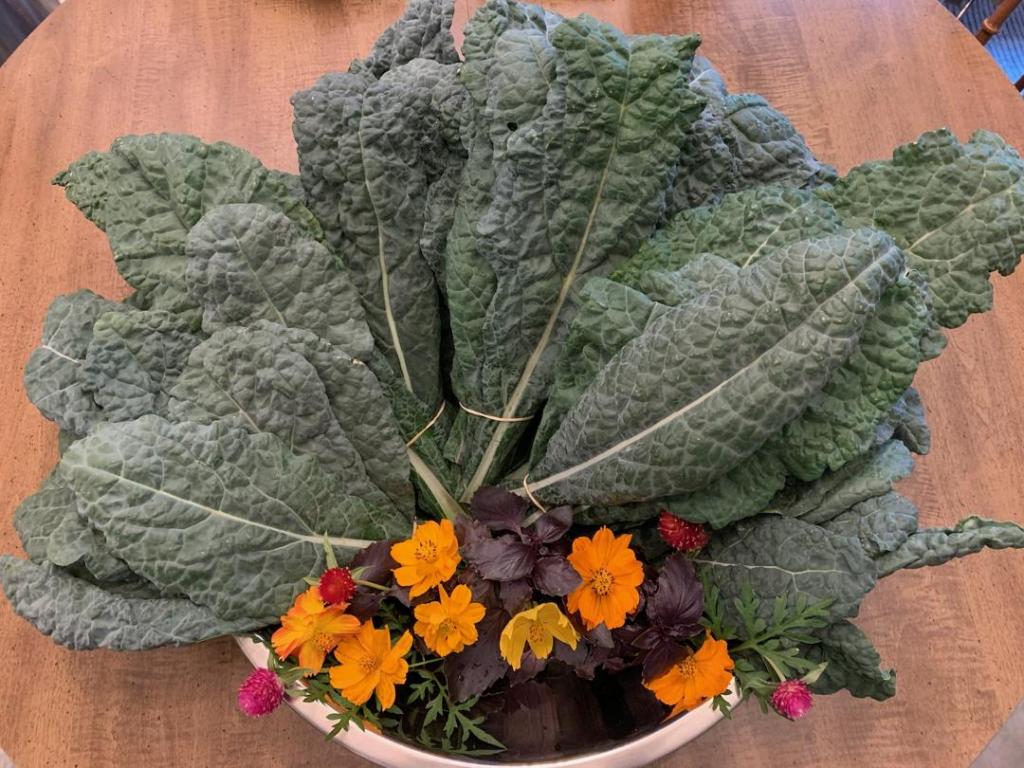
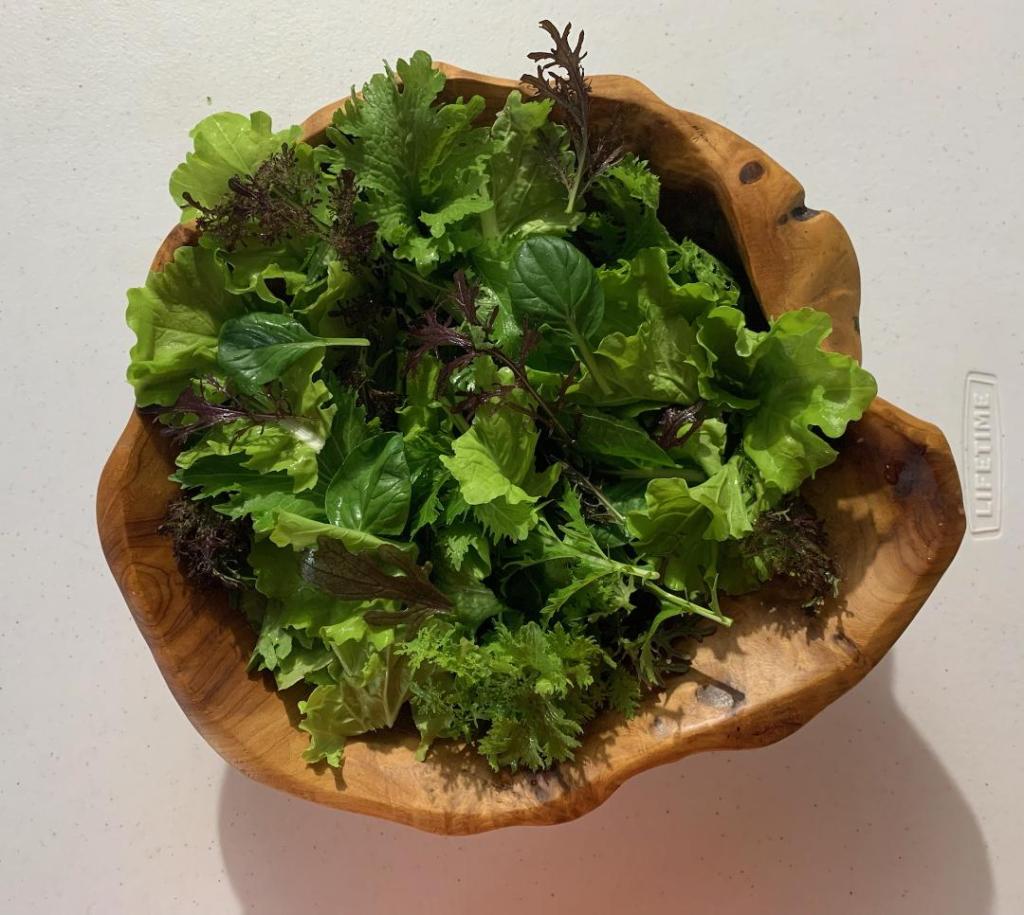
Opal’s Farm has had to be in two places at once this month, so we took a break during the rainy holiday weekend. We’ll be at Cowtown Farmers Market (the Grand Pavilion at Veterans Park in White Settlement) this weekend with fresh, local, organically-grown produce – Dinosaur kale, Russian kale, Salad Mix, Swiss Chard, Spinach, Sugar Snap peas, Beets, and more…
We’ll also be at the Funkytown Mindful Market (Texas Wesleyan University) for the Holiday Market on December 10th. Come out and enjoy the activities and wellness vendors there as well as our local Grow SE farmers!



 gregoryjoel.com