I apologize for not posting regularly over the last couple of months. Opal’s Farm is going through several changes right now – most notably in staff. Recent cuts to USDA funding and January resignations have left the farm work to myself, my Volunteer Coordinator, Stacey Harwood, and a small number of volunteers. We are still on track for all our Spring planting and looking forward to a great harvest.
The bipolar Texas weather hasn’t helped even though it has kept things interesting. The freezing weather one week and in the eighties the next caused some of the winter crops to bolt. That was followed by seventy-two hours of sub-freezing weather and the plants took it much harder than the first round of freezes. The good news is that it looks like we’ve had our last hard freeze. Tomatoes are coming on the 17th and the rest of Spring planting is underway. We’re looking forward to bringing the Spring harvest to market!
I would also like to take a moment to talk about the many non-profit organizations working in agriculture and food systems. They have endured financial hardships due to the recent changes at the USDA. Some programs that aid farmers and farm organizations have been shut down indefinitely as funding has been frozen or eliminated entirely. Economic uncertainty faces us all.
The average age of a farmer in Texas is sixty-two. Part of our mission is to incubate new farms and train new farmers. American Farmland Trust has a slogan that says it all: “No farms. No food”. Please consider the importance of our local farmers, the healthy fresh produce they bring to our community, and the education they bring to the next generation of farmers, both urban and rural.
I’ve spent the last two months with our “Taste the C.U.R.E.” students and seen the interest and willingness to be part of the grower’s community. Not only do they want healthy food for themselves, but they want to feed their neighbors. Urban agriculture is a growing alternative to high food prices and the ultra-processed food found at the big grocery stores. We hope the movement continues to grow and that you can become a part of it.
You can support your local farmers and food system through financial donations, calling your elected representatives, volunteering at a local farm, or simply shopping local at your local farmers market or farm stand. Not only is local produce healthier, it ensures that food access is available to your community. Food access is not a “DEI” issue. It should be available to all of us. Healthy food is a basic human right. Your local farmers are working long hours to feed us all. Buy local and support your local farm!
I hope everyone is staying hydrated and healthy now that summer seems to have started in earnest. We’re hanging in there and keeping the summer crops watered to keep bringing you fresh, healthy, LOCAL produce (you can’t get much more local when you’re right next to downtown!).
We have so much to pass on to you all. June has been an amazing month already and Juneteenth is right around the corner. One of the Juneteenth events you shouldn’t miss is the Empowering You – Education, Health, and Job Fair to be held tomorrow and Saturday at the Trinity River Campus of Tarrant County College. See the attached flyer for details and while you’re there, come see us at the Opal’s Farmstand.
Greetings from Opal’s Farm. We will not be at Cowtown Farmers Market this week. The busy Spring planting season came to a bit of a halt this morning. The rain that came in overnight has been great for the farm and not so great for “being under the weather” physically. We will be there next Saturday morning and hate missing the Spring Festival this weekend. Bring your umbrellas and join the fun at Cowtown Farmers Market today!
I can’t stand to miss our family and friends at the market. Over the last five years, Cowtown Farmers Market has truly become family. It’s the highlight of my week. There’s something special about our market and the farmers and vendors who come each week to bring fresh local produce, meats, honey, and all kinds of other local products. I’ve learned so much from the knowledge freely shared by the farmers and friends there.
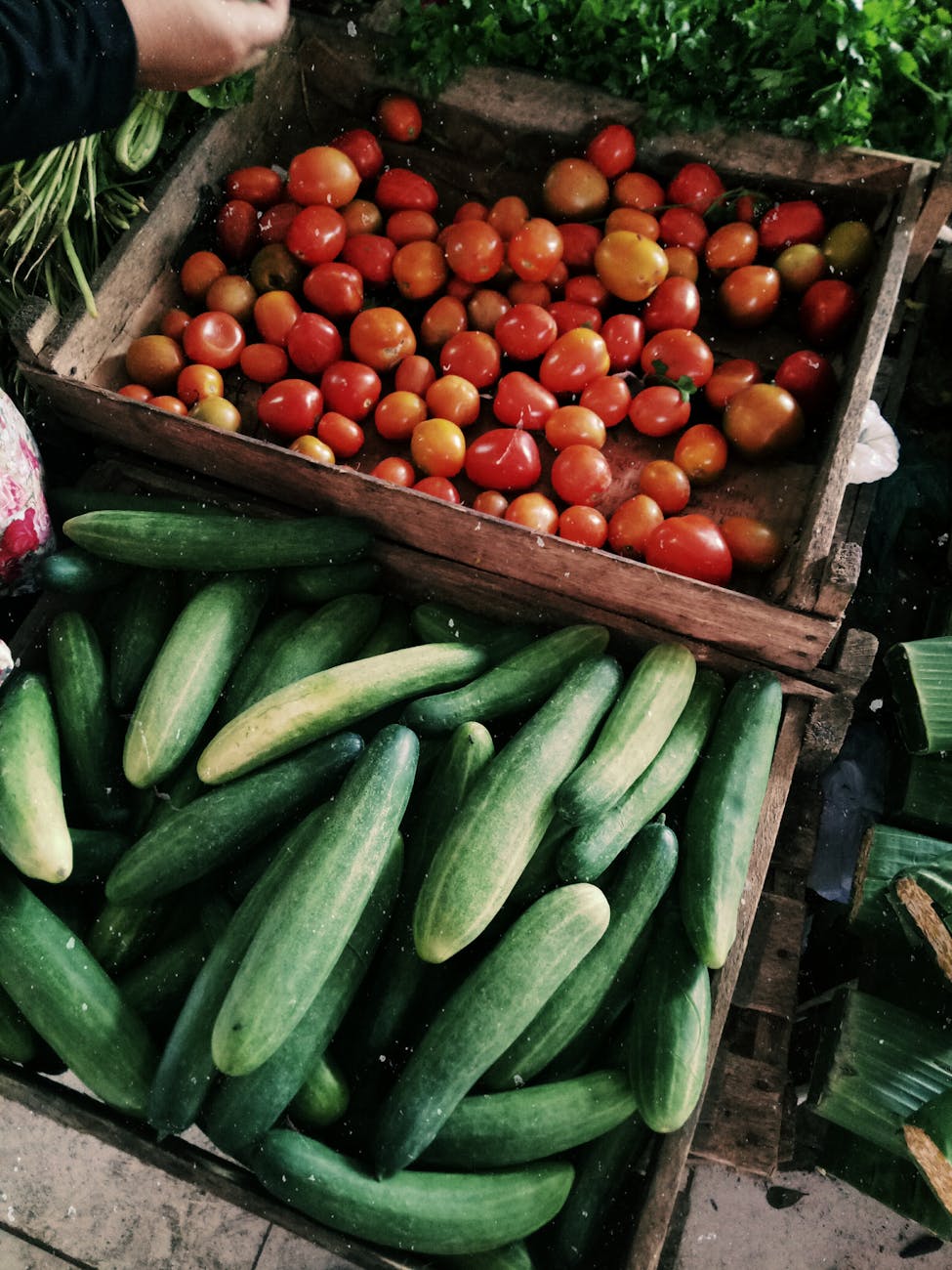
I grew up in Fort Worth but spent many days at my Uncle Carl’s ranch in South Texas or my Uncle Roof’s dairy farm up towards Boyd. I tend to be more of a carnivore when it comes to diet. That remained the case until I came to Cowtown. You see, Cowtown is unlike the way most folks shop for groceries. People actually stop and talk to one another. No avoiding hurried and harried people with shopping carts and frustration with checkout lines. You won’t find one self-checkout stand at the market; although people may line up because one of our farmers has something special that week (especially when peaches, tomatoes, and blueberries come in).
I’m no vegetarian, nor am I knocking those who are. I still love meat, but Cowtown helped me broaden my food experience. Customers have shared their many ways to cook the fresh produce we bring to market each week and I’ve tried them all (well, most of them anyway). I’ve incorporated many of their recipes into my diet. I even like greens now (except for kale – you all like it so we’ll keep growing it for you – I’m not there yet…).
I hope you will all head out to Cowtown Farmers Market on Saturday mornings. Get to know our local farmers and vendors. Cowtown is a producer-only market. All the farms are within a 150-mile radius of Fort Worth. Everything is truly local. No one is a reseller – getting their produce from a distributor or wholesaler. In other words, we don’t have field tomatoes in January or Brussell Sprouts in August. Learning to eat what’s in season is not only respecting the Earth’s rhythms but benefits overall health as well.
Food is one thing we all have in common. It is to be savored and enjoyed by family and friends and so should shopping for it!
What a week it’s been. We’ve had a gorgeous week of upper sixties and seventy-plus degree weather followed by a weekend of rain. We’d love to thank everyone who braved the elements to come out to Cowtown Farmers Market on Saturday morning. I spoke with one of our customers who said, “I can’t not be here. I can’t eat that stuff they sell at the store”. I love you! People like you are our best ambassadors! Once you’ve had local it’s hard to have anything else.
I appreciate the commitment to fresh, local, and extremely healthy produce that so many of you have. It really becomes evident on days like yesterday. I enjoy the families that bring their children and teach them the importance of healthy eating. I get excited when the kids point to a bunch of turnips or kale and ask if Mom and Dad can buy that for them. That’s the highlight of my day.
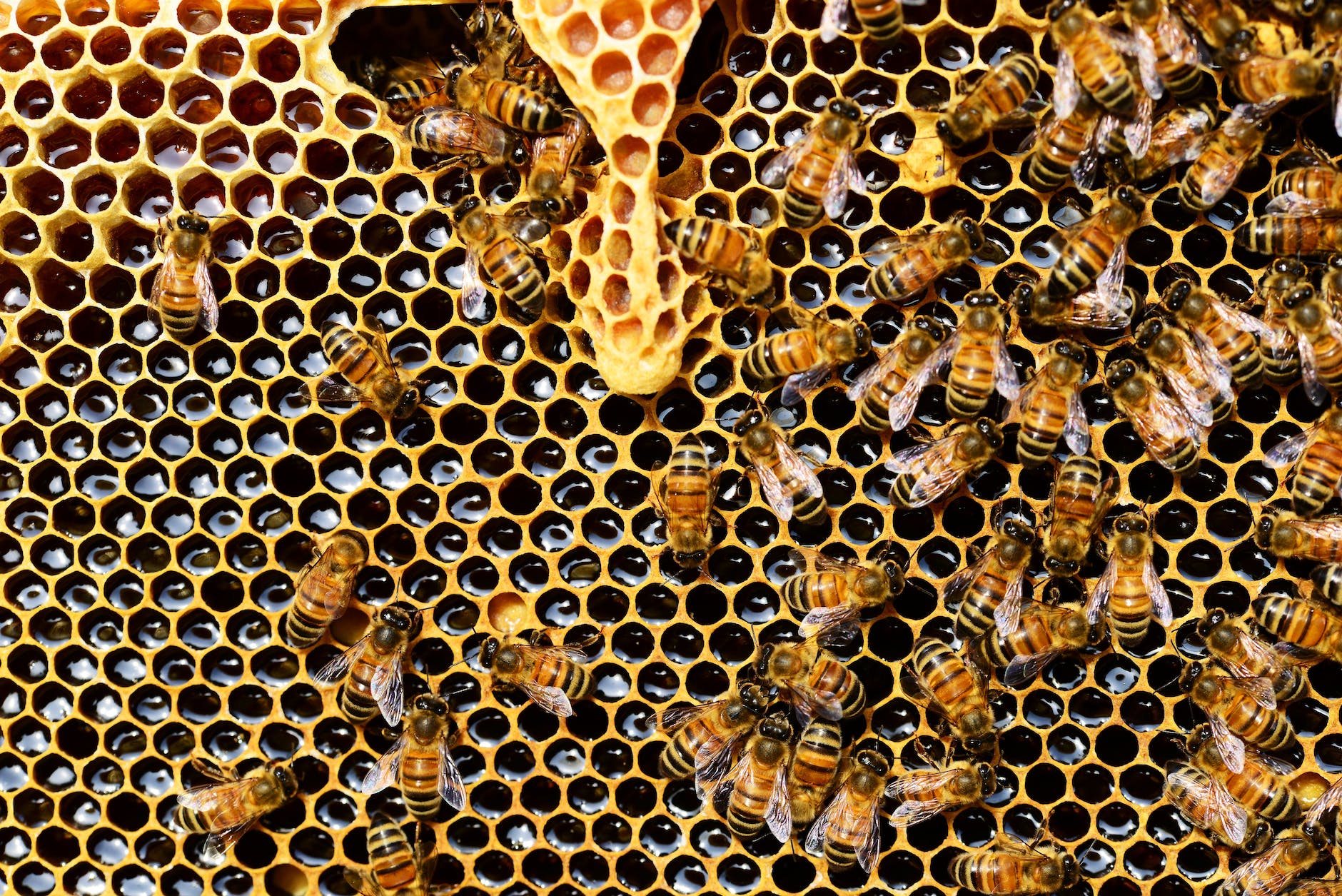
We started bee hives with the help of Brent Bennett from Green Hands Farm almost two years ago. Brent is a Master Beekeeper and has helped us reach the point where we had our first honey harvest a couple of weeks ago. Opal’s honey is not only local (which is essential for allergy help), raw, and unfiltered, it’s some of the best honey available in Fort Worth.
We plant a lot of buckwheat in the Spring. We use it between rows to attract beneficial insects as part of our integrated pest management. It’s also a favorite of our bees who bring that wonderful buckwheat taste to our honey. Come on out to Cowtown Farmers Market next Saturday and try some.
We’re working with Brent to start beekeeping classes in the Spring. Please keep an eye out for the details and sign-up site to come!
Thanks again to one and all for your support of Opal’s Farm and our local farmers markets.
A couple of weeks ago, my Monday morning meeting ended early, so I sat at the Philadelphia Airport waiting for four hours for my plane home. I’m not good at sitting but I have little choice over the next seven hours or so. It was nice to catch up on a few things, but I prefer the open fields and growing plants to rows of chairs and sitting in an airborne cigar…
I was here to attend the Black Urban Growers National Conference, or BUGs as they call it. Philly has a strong urban agriculture movement with many farms and community gardens dotting the city. They even have a Director of Urban Agriculture as part of the Parks and Recreation Department for the city government. It was great to make some connections with folks here. Hopefully, we can begin to move city government in Tarrant County, Fort Worth, and the surrounding cities to move in a positive direction for urban ag and community gardens. Jesse Herrera, Linda Fulmer, and Grow SE have moved us a long way but there’s so much to do to make Fort Worth favorable to urban agriculture and eliminating food insecurity.
Six cities currently have Urban Agriculture leaders in city government – Philadelphia, Atlanta (whose director also spoke at BUGs and was the first city in the nation to appoint a director), New York City, Detroit, Austin, Boston, Seattle, and Portland. These are also areas where there are strong food policy councils. However, each agreed that community member advocacy was essential to the formation of urban ag programs. These positions work through the mayor’s office, sustainability offices, parks, or planning departments. While Tarrant County has a food policy council, they need support from our community to have influence over policy decisions at the county or municipal level. We need is citizen support to drive progress forward for urban agriculture.
Why Urban Agriculture?
There are three primary reasons for establishing urban agriculture policies in Tarrant County municipalities – the number of food deserts, public health, and supply chain issues.
In 2020, NBC5 news reported that Tarrant County was one of the Top Ten counties in the country for food insecurity ( https://www.nbcdfw.com/news/local/fighting-hunger-urban-farming-in-fort-worths-food-desert/2292808/ ). Moreover, the USDA identified over forty areas in Tarrant County that qualify as “food deserts” – areas that are over a mile away from a grocery store. Food “desert’ is something of a misnomer. Food apartheid represented the concept far better as most of these areas are in lower income areas or communities of color. Urban agriculture and farmstands or farmers markets can make a significant impact on accessibility to fresh food in these neighborhoods. It can be costly under present urban farm and garden ordinances to build infrastructure needed for urban ag.
Public health is drastically affected by lack of access to healthy food. The zip code 76102 is the unhealthiest zip code in the state of Texas. Life expectancy is 66.7 years old – twelve years below the national average ( https://www.star-telegram.com/news/local/fort-worth/article244137362.html ). While lack of access to healthy food is not the only reason for poor health outcomes, it is certainly the root of the problem. In the Southside, Morningside, and Hillside communities there are only a dozen convenience stores that only sell snacks and highly processed canned foods lacking nutritional value. Locally grown, nutrient-dense fresh vegetables help the body’s own defenses against heart disease, high blood pressure, diabetes, cancers, and obesity that lead to shorter lifespans and higher medical costs. Costs borne by all of us.
The COVID pandemic revealed serious flaws in our present food systems. Who doesn’t remember the higher food prices and empty store shelves of many items we use every day. Breaks in the supply chain have serious consequences for the retail grocery stores. Our food travels an average of 1500 miles from the farm to your table. To reach your grocer, it has to be picked before it’s ripe, sprayed with preservatives, shipped by rail or by truck to a distribution center and delivered to each individual store. It lacks the flavor and nutrient density so many of us crave. Locally grown produce is a solution to this problem.
Moreover, local urban farmers develop a sense of community around the local farmer’s market or farmstand. The community gets to know their local farmers and their neighbors better. “Screen time”
Is often replaced by real conversations. A sense of neighborhood pride replaces some of the isolation that often plagues our senior citizens. Opal’s Farm has been a member of the Cowtown Farmers Market for five years now. We’ve developed a loyal customer base and we’ve come to know our customers as friends. We’ve been an active part of our community, and many folks have volunteered at the farm as well as become our customers.
What Can I Do?
Access to land is often easier than we think. Learn about urban agriculture in your neighborhood. Are there any community gardens? If not, is there a place for one? Are there vacant lots, churches, or schools that might be good sites for a small urban farm or community garden. Are there local learning gardens to offer growing tips and support to neighborhoods? Do your local schools have school gardens that you might volunteer with? Is there a place to gather to bring local farmers and gardeners together to offer their goods and services to the neighborhood?
Find out what the urban agriculture and community garden ordinances (or if you even have them) are in your municipality. Is zoning an issue? Neighborhood associations are often a great place to start if you have one. If not, local code compliance or development departments can provide guidelines.
Here in Fort Worth, urban agriculture ordinances were almost non-existent and what we did have was more of a barrier than a help. A local initiative by County Commissioner Brooks Office called Grow SE brought local non-profits and urban farmers together to address this issue. Grow SE worked diligently to address and change the city ordinances that limit urban ag and have made it much easier to build the infrastructure to make it successful but – we have a long way to go!
Get involved with your local food policy council. Food Policy Councils were first authorized in the 2014 Farm Bill and re-emphasized in the 2018 Farm Bill. If your city does not have one, then start one. Here in Tarrant County, we are fortunate to have a council with working groups in urban ag and food waste (a significant issue as Fort Worth faces having to build the infrastructure for a new landfill). Food policy councils can have a major effect on local food policy and urban agriculture.
Contact your local city council member and make your voice heard. Attend city council meetings and ask your neighbors to do so as well. Talk to your local officials and let them know this is a big issue to deal with. Changing the food system and delivery to your table begins at the local level!
I’m excited to be home and to continue our Fall growing and prepping for next Spring. I’d love to have you come out and start your urban agriculture journey with Opal’s Farm. Come see the possibilities for positive change here in Fort Worth and Tarrant County. Bring your kids. Kids (and unfortunately many adults) have no idea where their food comes from. Once they learn how good food is grown and distributed to our communities, they get excited to be a part of the process. The fresh air, vitamin D, and “playing in the dirt” is great for them (and for you!) Come and see!