Activism, Airplanes, Communication, Community, Down On the Farm, Events, Farmers Markets, Food Deserts, Food Equality, Food Insecurity, Food Justice, Food Waste, Gardening, Health, Landfills, Marginalized, Neighbors, Non-Profits, Nutrition, Opal's Farm, Public Policy, Regeneration, Relationships, Service Organizations, Service to Others, Social Justice, Thoughts From the Porch, Transformation, Unity Unlimited, Inc., Urban Farming, Volunteers, What Can I Do

Urban Ag and You

A couple of weeks ago, my Monday morning meeting ended early, so I sat at the Philadelphia Airport waiting for four hours for my plane home. I’m not good at sitting but I have little choice over the next seven hours or so. It was nice to catch up on a few things, but I prefer the open fields and growing plants to rows of chairs and sitting in an airborne cigar…

I was here to attend the Black Urban Growers National Conference, or BUGs as they call it. Philly has a strong urban agriculture movement with many farms and community gardens dotting the city. They even have a Director of Urban Agriculture as part of the Parks and Recreation Department for the city government. It was great to make some connections with folks here. Hopefully, we can begin to move city government in Tarrant County, Fort Worth, and the surrounding cities to move in a positive direction for urban ag and community gardens. Jesse Herrera, Linda Fulmer, and Grow SE have moved us a long way but there’s so much to do to make Fort Worth favorable to urban agriculture and eliminating food insecurity.

Six cities currently have Urban Agriculture leaders in city government – Philadelphia, Atlanta (whose director also spoke at BUGs and was the first city in the nation to appoint a director), New York City, Detroit, Austin, Boston, Seattle, and Portland. These are also areas where there are strong food policy councils. However, each agreed that community member advocacy was essential to the formation of urban ag programs. These positions work through the mayor’s office, sustainability offices, parks, or planning departments. While Tarrant County has a food policy council, they need support from our community to have influence over policy decisions at the county or municipal level. We need is citizen support to drive progress forward for urban agriculture.
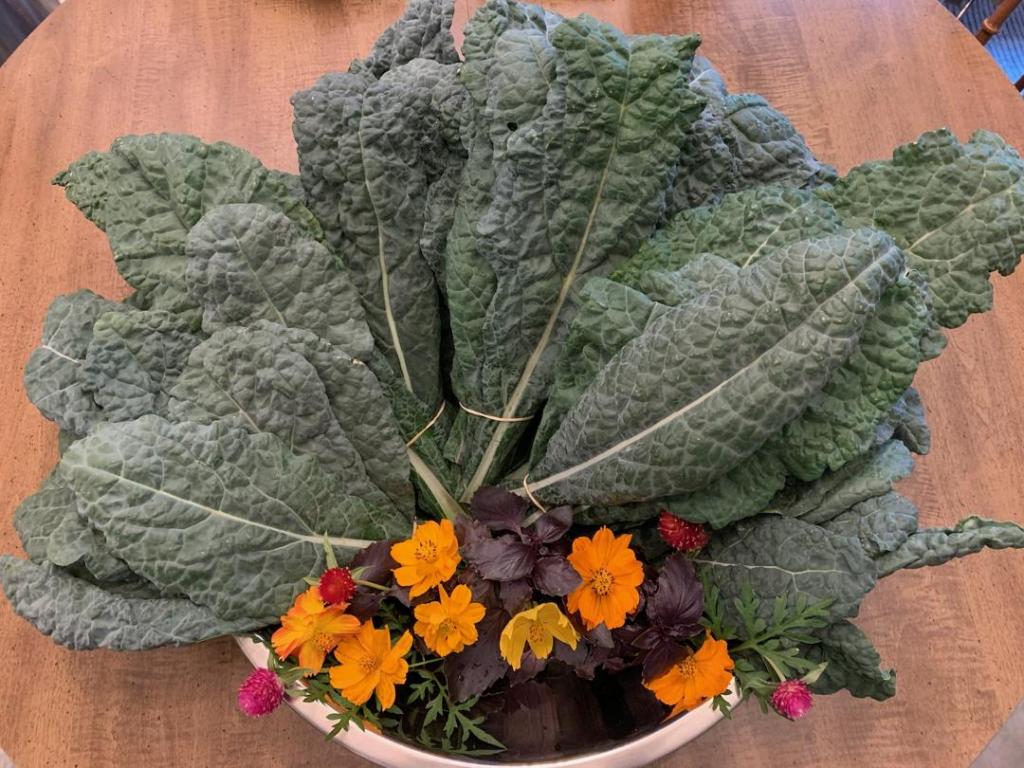
Why Urban Agriculture?

There are three primary reasons for establishing urban agriculture policies in Tarrant County municipalities – the number of food deserts, public health, and supply chain issues.

  • In 2020, NBC5 news reported that Tarrant County was one of the Top Ten counties in the country for food insecurity ( https://www.nbcdfw.com/news/local/fighting-hunger-urban-farming-in-fort-worths-food-desert/2292808/ ). Moreover, the USDA identified over forty areas in Tarrant County that qualify as “food deserts” – areas that are over a mile away from a grocery store. Food “desert’ is something of a misnomer. Food apartheid represented the concept far better as most of these areas are in lower income areas or communities of color. Urban agriculture and farmstands or farmers markets can make a significant impact on accessibility to fresh food in these neighborhoods. It can be costly under present urban farm and garden ordinances to build infrastructure needed for urban ag.
  • Public health is drastically affected by lack of access to healthy food. The zip code 76102 is the unhealthiest zip code in the state of Texas. Life expectancy is 66.7 years old – twelve years below the national average ( https://www.star-telegram.com/news/local/fort-worth/article244137362.html ). While lack of access to healthy food is not the only reason for poor health outcomes, it is certainly the root of the problem. In the Southside, Morningside, and Hillside communities there are only a dozen convenience stores that only sell snacks and highly processed canned foods lacking nutritional value. Locally grown, nutrient-dense fresh vegetables help the body’s own defenses against heart disease, high blood pressure, diabetes, cancers, and obesity that lead to shorter lifespans and higher medical costs. Costs borne by all of us.
  • The COVID pandemic revealed serious flaws in our present food systems. Who doesn’t remember the higher food prices and empty store shelves of many items we use every day. Breaks in the supply chain have serious consequences for the retail grocery stores. Our food travels an average of 1500 miles from the farm to your table. To reach your grocer, it has to be picked before it’s ripe, sprayed with preservatives, shipped by rail or by truck to a distribution center and delivered to each individual store. It lacks the flavor and nutrient density so many of us crave. Locally grown produce is a solution to this problem.

Moreover, local urban farmers develop a sense of community around the local farmer’s market or farmstand. The community gets to know their local farmers and their neighbors better. “Screen time”

Is often replaced by real conversations. A sense of neighborhood pride replaces some of the isolation that often plagues our senior citizens. Opal’s Farm has been a member of the Cowtown Farmers Market for five years now. We’ve developed a loyal customer base and we’ve come to know our customers as friends. We’ve been an active part of our community, and many folks have volunteered at the farm as well as become our customers.

What Can I Do?

Access to land is often easier than we think. Learn about urban agriculture in your neighborhood. Are there any community gardens? If not, is there a place for one? Are there vacant lots, churches, or schools that might be good sites for a small urban farm or community garden. Are there local learning gardens to offer growing tips and support to neighborhoods? Do your local schools have school gardens that you might volunteer with? Is there a place to gather to bring local farmers and gardeners together to offer their goods and services to the neighborhood?

Find out what the urban agriculture and community garden ordinances (or if you even have them) are in your municipality. Is zoning an issue? Neighborhood associations are often a great place to start if you have one. If not, local code compliance or development departments can provide guidelines.

Here in Fort Worth, urban agriculture ordinances were almost non-existent and what we did have was more of a barrier than a help. A local initiative by County Commissioner Brooks Office called Grow SE brought local non-profits and urban farmers together to address this issue. Grow SE worked diligently to address and change the city ordinances that limit urban ag and have made it much easier to build the infrastructure to make it successful but – we have a long way to go!

Get involved with your local food policy council. Food Policy Councils were first authorized in the 2014 Farm Bill and re-emphasized in the 2018 Farm Bill. If your city does not have one, then start one. Here in Tarrant County, we are fortunate to have a council with working groups in urban ag and food waste (a significant issue as Fort Worth faces having to build the infrastructure for a new landfill). Food policy councils can have a major effect on local food policy and urban agriculture.

Contact your local city council member and make your voice heard. Attend city council meetings and ask your neighbors to do so as well. Talk to your local officials and let them know this is a big issue to deal with. Changing the food system and delivery to your table begins at the local level!

I’m excited to be home and to continue our Fall growing and prepping for next Spring. I’d love to have you come out and start your urban agriculture journey with Opal’s Farm. Come see the possibilities for positive change here in Fort Worth and Tarrant County. Bring your kids. Kids (and unfortunately many adults) have no idea where their food comes from. Once they learn how good food is grown and distributed to our communities, they get excited to be a part of the process. The fresh air, vitamin D, and “playing in the dirt” is great for them (and for you!) Come and see!
Activism, Choices, Citizenship, Climate Change, Community, Composting, Consequences, Conservation, Creation, Down On the Farm, Environment, Faith, Fighting Poverty, Food Deserts, Food Equality, Food Insecurity, Food Justice, Food Waste, Landfills, Neighbors, Non-Profits, Opal's Farm, Recycling, Regeneration, Responsibility, Service Organizations, Service to Others, Tarrant Regional Water District, Transformation, Unity Unlimited, Inc., Urban Farming, What Can I Do

Waste Not, Want Not: Composting at Opal’s Farm

One of the Core Values of Opal’s Farm is the practice of regenerative urban farming. We take the role of stewards of the land and resources we’ve been granted very seriously. From the outset we were determined to farm organically and recycle as much as possible to build our soil health and limit waste. One of the ways we practice that is composting.

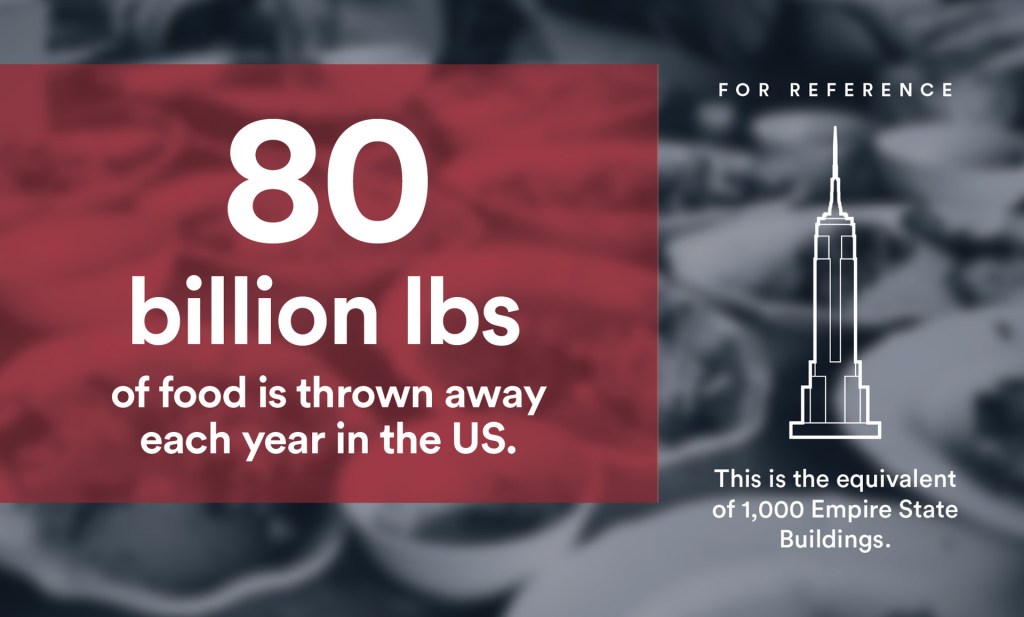
According to the United States Department of Agriculture (USDA), food waste is between thirty and forty percent of the nation’s food supply. Research shows that the average American ends up throwing away $53.81 worth of spoiled food a week from their fridge, or $2,798 every year (Could you use almost $3,00 extra?) – and that doesn’t include commercial and restaurant waste (the restaurant industry estimates food waste related costs to be $162 billion a year).

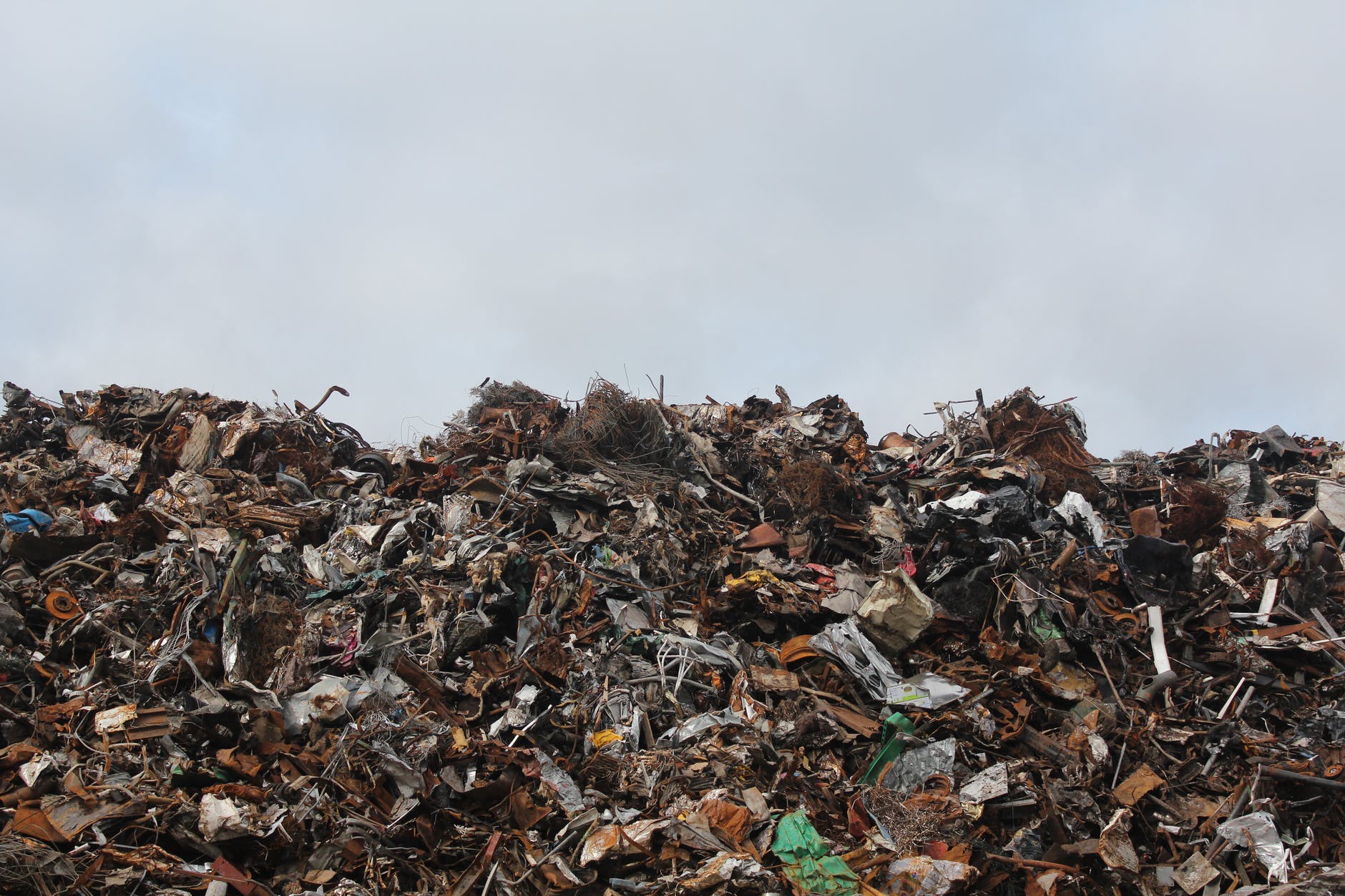
What happens to all that waste? Not only is it a major contributor to food insecurity – it ends up in local landfills where it generates 1.3 pounds of methane emissions for every pound of wasted produce. Landfills are responsible for almost 15 percent of the country’s methane emissions and organic matter makes up the largest percentage of total landfill mass (22 percent).

Landfill space isn’t an abstract “someone else’s” problem. The City of Fort Worth’s landfill is filling to quickly. Although designed to last another fifty years, increased population and throwing out recyclable items has shortened landfill life to less than half of that. A new landfill is a major infrastructure investment that will surely affect every citizen’s pocketbook.

Opal’s Farm applauds the efforts like the City’s Residential Food Scrap Composting Pilot Program. It addresses individual residences. Efforts are also being made through the Code Compliance Department and the Blue Zones Project Fort Worth to gain commercial participation.

The Environmental Protection Agency reports that only 5 percent of food waste gets composted, which means 95 percent doesn’t…

Opal’s Farm uses 100% of organic waste created on the Farm. We started a compost program last year at the farm. Unsalable produce, hay donated by the Tarrant Regional Water District, and goat manure from Latte-Da-Dairies got us started. Grass, weeds, and plant refuse from the previous growing season was added. In Fall of last year, J. Davis Tree Company began bringing their wood chips by the truckload – much of already composted. The original compost pile has yielded approximately 20 yards (2 dump trucks) of rich composted soil for bed/soil development.

This year we added food scraps from the Culinary School of Fort Worth (thanks to Lauren at the Tarrant Area Food Bank Learning Garden for the hook-up!). A couple of months later, Blue Zones Fort Worth introduced us to Elrod’s Cost Plus Supermarket at 1524 NW 25th Street. Each Monday, the Produce Manager, Angelica, provides us with the unsaleable produce from the weekend. We’re averaging about 200 pounds per week from there.

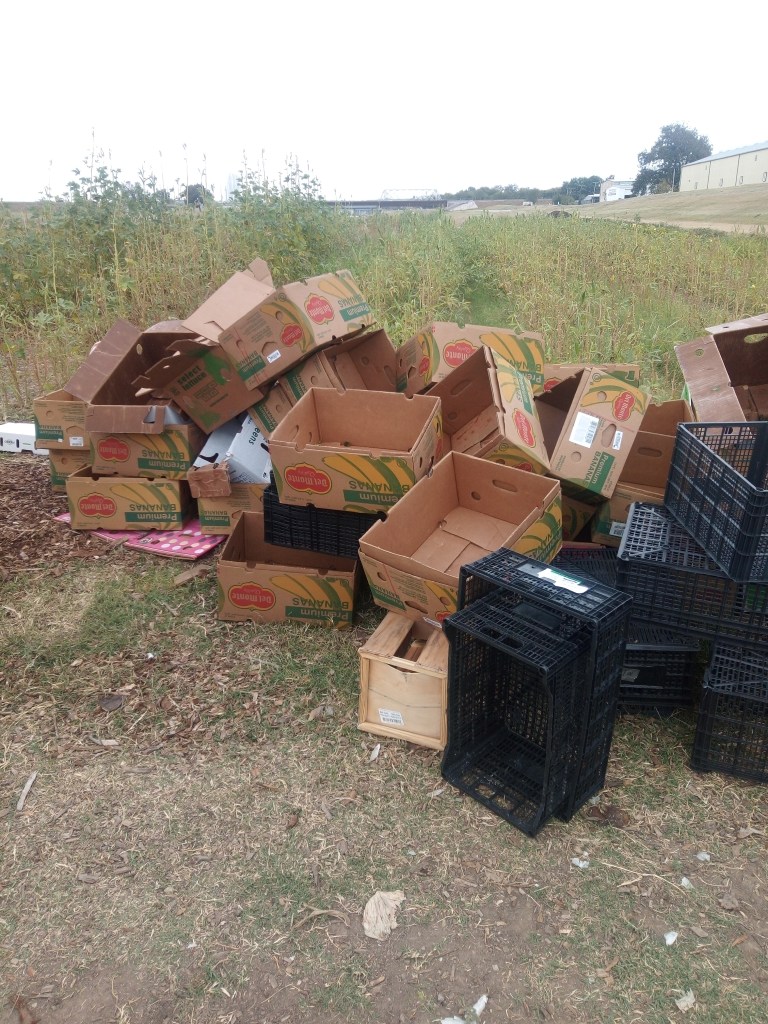
We began picking up the culled produce from Foodland on 1212 Ayers Avenue a couple of weeks later. We consistently add 200-400 pounds of food waste that would have gone to the landfill. Moreover, all the produce boxes are broken down and recycled to lay beneath the woodchips we spread on our walkways. It’s an excellent form of natural weed control.

A Monday Pick up (approximately 400 lbs. that will not go to the landfill

The result is a dark, rich compost that is added to the soil to build soil health and increase the yields from our tasty, locally grown produce. It’s a win-win for us, for the stores, and for our community.

We Can Do More

We give a huge shout out to Elrod’s and to Foodland for their excellent corporate citizenship. Other grocery chains have chosen to waste their produce rather than recycle it to local urban farms. We understand the lability concerns they have expressed but cannot understand to unwillingness to compost: a way of improving soil health and local crop yields.

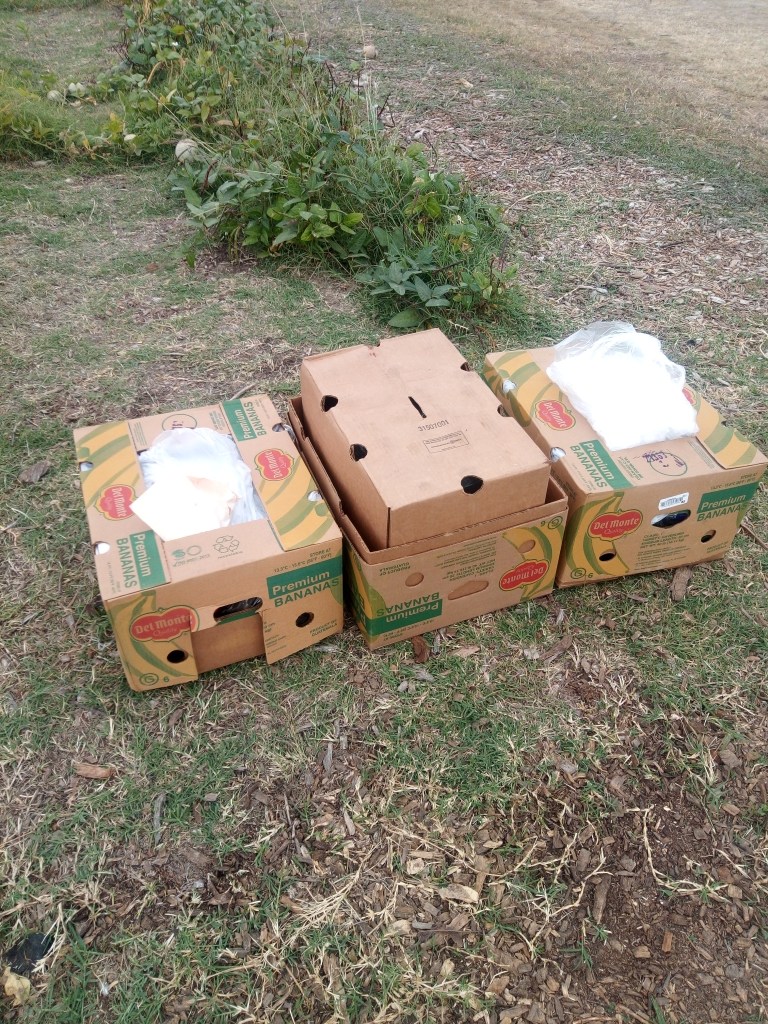
Cardboard boxes from the Monday pick-up – plastic produce containers take our donations to food banks and cardboard is recycled at the farm

Composting is not only beneficial for local urban farms and the municipal landfill. Composting can also provide jobs in our local economy. Someone must pick up the compost and take it to where it will be recycled. The more stores and restaurants that join the recycling effort would expand the pick-up route.

The end result – less than 25 lbs goes the landfill (remaining plastic packaging)

Currently, we can only do our pick-ups one day a week. We’re constrained by time and lack of staff at the farm to pick up all that available. Imagine if part of the training and hiring at Opal’s Farm was composting, pick-up, and delivery to Opal’s, other farms, or to Silver Creek Materials (the local composting firm and one of our vendors). It’d sure be cheaper than new landfill infrastructure (Did that get your attention Mayor Price?). You can urge your local Councilmembers to take a hard look at this. Innovation makes Fort Worth…

It takes money to implement such a program. ReFed, “a multi-stakeholder nonprofit, powered by an influential network of the nation’s leading business, nonprofit, foundation, and government leaders committed to reducing U.S. food waste” ( https://www.refed.com/about ), has laid out an excellent  Roadmap to Reduce U.S. Food Waste. It can be done. Something to think about…

Citizenship, Climate Change, Common Sense, Communication, Community, Down On the Farm, Environment, Faith, Fighting Poverty, Food Deserts, Food Equality, Food Insecurity, Food Justice, Food Waste, Hope, Landfills, Litter, Neighbors, Opal's Farm, Persistence, Regeneration, Service to Others, Simplicity, Social Justice, Spirituality, Transformation, Trinity River, Unity Unlimited, Inc., Urban Farming

An Important Day for All of Us

Today is a very important day — the first ever International Day of Awareness of Food Loss and Waste!  “Globally, around 14 percent of food produced is lost between harvest and retail” … “When food is lost or wasted, all the resources that were used to produce this food – including water, land, energy, labour and capital – go to waste.” In the United States, 30-40% of the food supply goes to waste, while millions of people remain food insecure. (from our friends at http://www.thefarmlinkproject.org)

We combat food waste every day at Opal’s Farm. Nothing leaves our farm unless it’s the man-made trash we collect from the Trinity River (and what the wind blows in!). Everything is either sold, donated, or composted. We collect food that would normally be thrown away from outside sources to build our compost, increase crop yields, and feed more community members.

What we do to combat waste may seem insignificant, but when it’s combined with what you do and what you do and what you do, it begins to affect overall food waste. On this first ever International Day of Awareness of Food Loss and Waste, we ask you to join the fight. We can all make a difference!

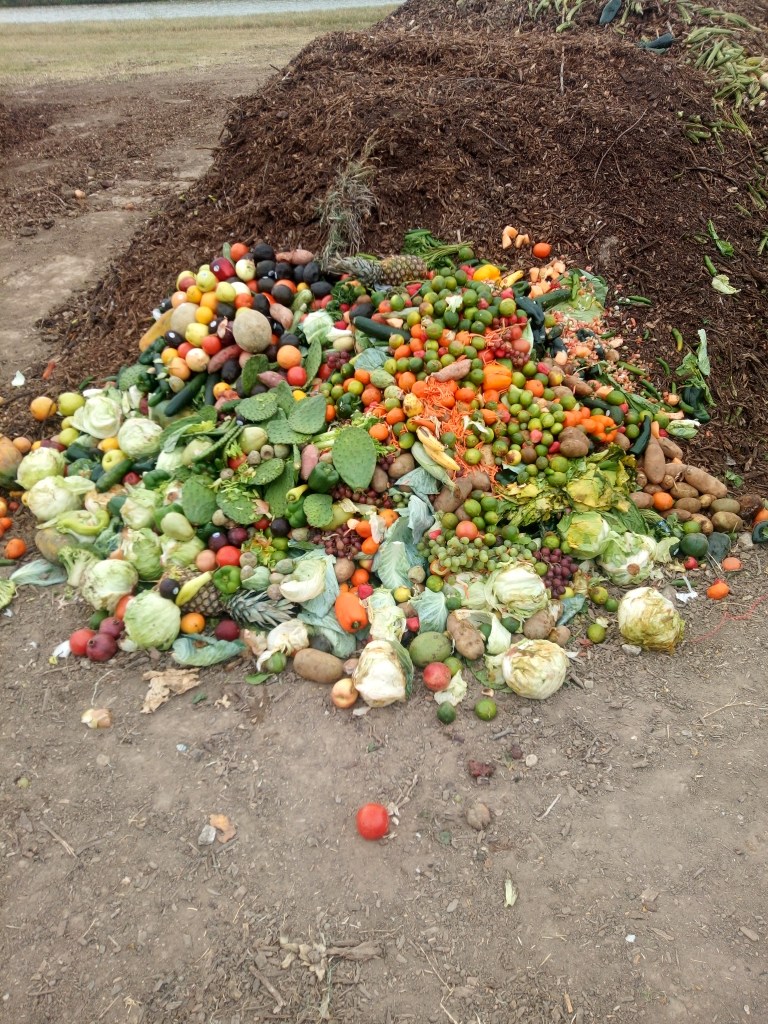
Will it be this?

Photo by Emmet on Pexels.com

Or this?

Photo by Ella Olsson on Pexels.com