Volunteering for Opal’s Farm is a noble pursuit, offering the chance to give back to your community, learn new skills, and make meaningful connections. However, to maximize your impact—not just for the organization, but for yourself as well—it’s important to approach volunteering with intention, preparation, and a spirit of collaboration. This comprehensive guide explores the steps and mindset that can help you become an effective, valued volunteer for Opal’s Farm and Unity Unlimited, Inc.
Is Opal’s Right for You?
One of the cornerstones of effective volunteering is choosing the right organization. To do this, reflect on the causes or issues that resonate most deeply with you. Are you passionate about education, healthcare, the arts, social justice, or environmental sustainability? When your personal interests align with Opal’s mission, you are far more likely to remain committed and enthusiastic.
- Research: Please visit our website http://www.unityunlimited.org/opalsfarm
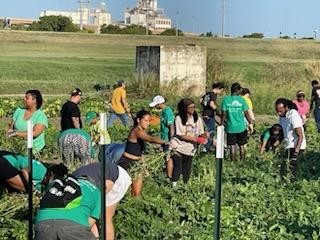
- Assess Needs: Consider the type of work Opal’s Farm does and the roles available for volunteers. Some people say that not everyone is cut out for farming. That may be true to some extent -farming is not always easy, especially in North Texas. July and August may not be the best time to volunteer because of the heat: although we have a wonderful group from KPMG that comes on August 6th (their Founder’s Day) and works all day in the summer sun (Please know how much you’re appreciated KPMG!).
If the field isn’t the place for you there’s other opportunities in both administration and marketing.
- Contact and Inquire: Don’t hesitate to reach out to our Volunteer Coordinator, Stacey Harwood. Stacey can be reached by phone or text at 817.819.7770 and by email at opalsfarm@unityunlimited.org. Stacey can fill you in on the volunteer days, hours, and special events such as our Volunteer Appreciation Cookout every 4th of July!
Setting Realistic Expectations
Volunteering is rewarding, but it can also be challenging. To avoid burnout or disappointment, set clear, realistic expectations for your involvement.
- Time Commitment: Some of our regular volunteers come every week, especially on harvest days, some have monthly commitments, while others simply come when they have time. We don’t require a commitment as much as we would just like you to come out and find the joy of “dirt therapy” and serving the community.
- Skills and Contributions: Reflect on what you bring to the table. Are you offering professional expertise (such as accounting, graphic design, or event planning) or general support (like distributing food or mentoring youth)?
- Learning and Growth: Be open to learning but also communicate if there are skills or experiences you hope to gain through volunteering. We love to help volunteers expand their farming / gardening skills. Our hope is that our volunteers carry the skills they’ve learned at the farm to their own homes and neighborhoods.
Building Relationships and Collaborating
Effective volunteering is about more than just the work you do—it’s about the relationships you build. Cultivate strong, respectful relationships with staff, fellow volunteers, and the people or communities you serve. The farm doesn’t just grow and distribute healthy, fresh produce. We strive for a community of service and fellowship, bringing all our neighbors together in unity.
- Be Professional and Respectful: Treat everyone with kindness and consideration, regardless of position or background.
- Communicate Clearly: If issues arise or you are unable to fulfill a commitment, let Stacey know as soon as possible. Stacey will communicate when must shift or cancel volunteer times due to special events and staffing issues as well.
- Embrace Teamwork: Opal’s loves collaboration. Is there something we can do better or are there positive partnerships we may be missing out on.
Staying Engaged and Motivated
Sustaining motivation in a volunteer role may require effort, especially over the long term. Here are some strategies:
- Connect with the Mission: Regularly remind yourself why you chose to volunteer. Attend organizational events, read newsletters, and celebrate successes.
- Seek Feedback: Constructive feedback helps you improve and demonstrates that your contributions are valued.
- Reflect on Impact: Take time to notice and appreciate the difference your efforts make, whether it’s a smile, a thank-you note, or a tangible change in your community.
Demonstrating Flexibility and Adaptability
Non-profit work can be unpredictable. Program needs may shift, funding may fluctuate, or emergencies may arise. The most effective volunteers are those who can adapt gracefully to change.
- Be Open-Minded: Embrace new tasks or responsibilities as they come up. Versatility is a valuable asset.
- Problem-Solve Creatively: When challenges arise, seek solutions proactively rather than focusing solely on obstacles.
- Support Others: Offer help to fellow volunteers or staff who may be struggling, and ask for assistance when you need it.
Understanding Boundaries and Self-Care
Helping others is rewarding, but it should not come at the expense of your own well-being. Recognize your boundaries and practice self-care.
- Know Your Limits: Don’t overextend yourself. We don’t want anyone to have issues with the weather – especially the Texas summers. Stay hydrated and take breaks when you need to. We want everyone to have a great day at the farm. Let us know if problems arise or another task is more oriented to your skills and abilities.
Measuring and Celebrating Your Impact
Regularly assessing your contributions can be highly motivating and ensures that your efforts are aligned with the organization’s goals.
- Track Outcomes: Ask how your work fits into these larger outcomes.
- Share Stories: Celebrate milestones—both big and small. Sharing stories of impact can inspire others and reaffirm your commitment.
- Solicit Recognition: Don’t be shy about sharing your accomplishments with your supervisor or team, especially if you believe it may help the farm or enhance your future volunteer roles.
Continuing Your Volunteer Journey
As you grow in your role, you may discover new interests or skills. Consider taking on additional responsibilities, mentoring new volunteers, or even serving on a board or committee. Ongoing learning and engagement deepen your impact and foster a richer, more fulfilling experience.
Remember, the most effective volunteers aren’t just those who give the most time—they are the ones who give with heart, purpose, and adaptability. By approaching your volunteer work thoughtfully and proactively, you help create stronger, more resilient organizations and, ultimately, a more compassionate world.
Conclusion
Volunteering at Opal’s Farm is a powerful way to contribute to the greater good and enrich your own life. Opal’s volunteers often tell us how much it affects their physical, mental, and spiritual heath in amazingly positive ways. Whether you are volunteering for the first time or are a seasoned community member, your efforts truly matter. The journey of service is a continuous learning process, filled with opportunities for growth, connection, and real change.







 gregoryjoel.com