Bible, Christianity, Community, Connection, Culture, Down On the Farm, Faith, Food Justice, Gratitude, Health, Immigration, Meditation, Neighbors, Opal's Farm, Relationships, Respect, Simplicity, Spirituality, Thoughts From the Porch, Urban Farming

Part of the Body…

Happy Labor Day weekend to all. I’m sitting here at home enjoying the air conditioning and recovering from another surgery – this time on my left wrist for carpal tunnel. I assumed that such a minor procedure, after all it’s just a day surgery, was no big deal. I’d be able to return to the farm by Monday. My elbow surgery in July only kept me in for the weekend. It’s day two of recovery and I’m not so sure I’m going to be getting much done on Monday.

You see, the elbow, while sore after surgery, doesn’t require the same amount of care as the hand. The hand, on the other hand (pun intended), presents different challenges. I can’t pick anything up because trying to grip anything or lift anything causes severe pain. I try to be careful but sometimes I forget and believe me, it doesn’t hesitate to remind me that I can’t do that right now. One doesn’t realize just how important and how frequently we use our hands each day until their use is compromised…

Photo by Mark Stebnicki on Pexels.com

Ironically, my meditation this morning was from the Apostle Paul’s letter to the Corinthians.

“I want you to think about how all this makes you more significant, no less. A body isn’t just a single part blown up into something huge. It’s all the different-but-similar parts arranged and functioning together. IF foot said, “I’m not elegant like Hand, embellished with rings. I guess I don’t belong to this body,” would that make it so?… As it is, we see that God has carefully placed each part of the body right where he wanted it.

But I also want you to think about how this keeps your significance from getting blown up into self-importance. For no matter how significant you are, it is only because of what you are a part of… What we have is one body with many parts, each its proper size and in its proper place… Can you imagine Eye telling Hand, “Get lost. I don’t need you”… As a matter of fact, in practice it works the other way – the “lower” the part, the more basic, and therefore more necessary. You can live without an eye, for instance, but not without a stomach. When it’s part of your own body you are concerned with, it makes no difference whether the part is visible or clothed, higher or lower. You give it dignity and honor just as it is, without comparisons…

The way God designed our bodies is a way of understanding our lives together as a church: every part dependent on every other part; the parts we see and the parts we don’t. If one part hurts, every other part is involved in the hurt, and in the healing. If one part flourishes, every other part enters into the exuberance.

You are Christ’s body – that’s who you are! You must never forget this. Only as you accept your part of that body does your “part” mean anything.” (First Corinthians 12. 14-27 The Message Bible)

I know this was originally written to Christians in a church beset by “getting along” problems, but it’s a great reminder to all of us today regardless of faith tradition or lack thereof. This ancient wisdom is applicable to all levels of our culture.

Take immigration for instance. The recent suicide of Pierre Damas Bel, a young Haitian immigrant who recently lost his Temporary Protected Status (TPS) is a prime example. This young man was an honor student who wanted to be a doctor. When the administration stripped Haitian immigrants of TPS, they were in effect saying “Get lost. I don’t need you!”. In fact, it not only reflects cruelty but reflects stupidity as well. Haitian immigrants make up a large portion of the healthcare industry, whether it be as medical doctors or home caregivers. Their impact in the community is to be celebrated and encouraged, not hatefully dismissed.

I find hope in the fact that other members of “the body”, neighbors surround the hurting member with their shared hurt, anger, and their healing. The folks in Minnesota who took to the streets despite severe cold weather to document the wounds to their neighbors and remove the cancer of ICE, took food to members to afraid to leave their homes, and support their community. I applaud the people of LA, Danbury, Connecticut, Springfield, Ohio, and countless other places that have shown the importance and care of all parts of the body no matter who and what they are.

Community, “body” – no matter what you call it you can’t ignore that each part is equally important. I’m an urban farmer. My job is to get fresh food from Opal’s Farm to our neighbors, to provide access to healthy food that impacts the health of the community. That’s just as important as the medical professional who treats the illnesses stemming from improper nutrition and the denial of access to it. Two sides of the same coin. Taking care of the other parts of the body – our neighbors and community members.

I’ve come to believe in the simplicity Jesus taught his disciples – Love God, love your neighbor, and everything else will take care of itself. Together we can take care of the “body”, one part at a time by simply doing our part.

Activism, Citizenship, Community, Democracy, Equal Rights, Faith, Freedom, Immigration, Marginalized, Neighbors, Public Policy, Respect, Seeing Others, Social Justice, Spirituality, Thoughts From the Porch

What Happens on July 5th?

The news has shown stories on ICE (Immigration and Customs Enforcement) raids across the country ever since January 20th of last year when mass deportations, allegedly of “the worst of the worst”, began in earnest. The reality is that only three percent of the over 600,00 people deported had violent felony convictions and approximately seventy-three percent had no criminal record whatsoever, but hey, that’s a story for some other time.

I’ve watched the often cruel, inhumane, and illegal ways average immigrants are targeted and arrested simply for going to work or dropping their kids off at school, paying taxes, and contributing to their respective communities. I watched in horror, as did we all, the murder of American citizens at the hands of mercenary, masked ICE agents in Minnesota. I’ve known that similar raids are carried out in my hometown of Fort Worth, Texas but such things are not newsworthy in the “most Republican city in the state”. Therefore, they’ve occurred quietly, in the dark, away from the public eye.

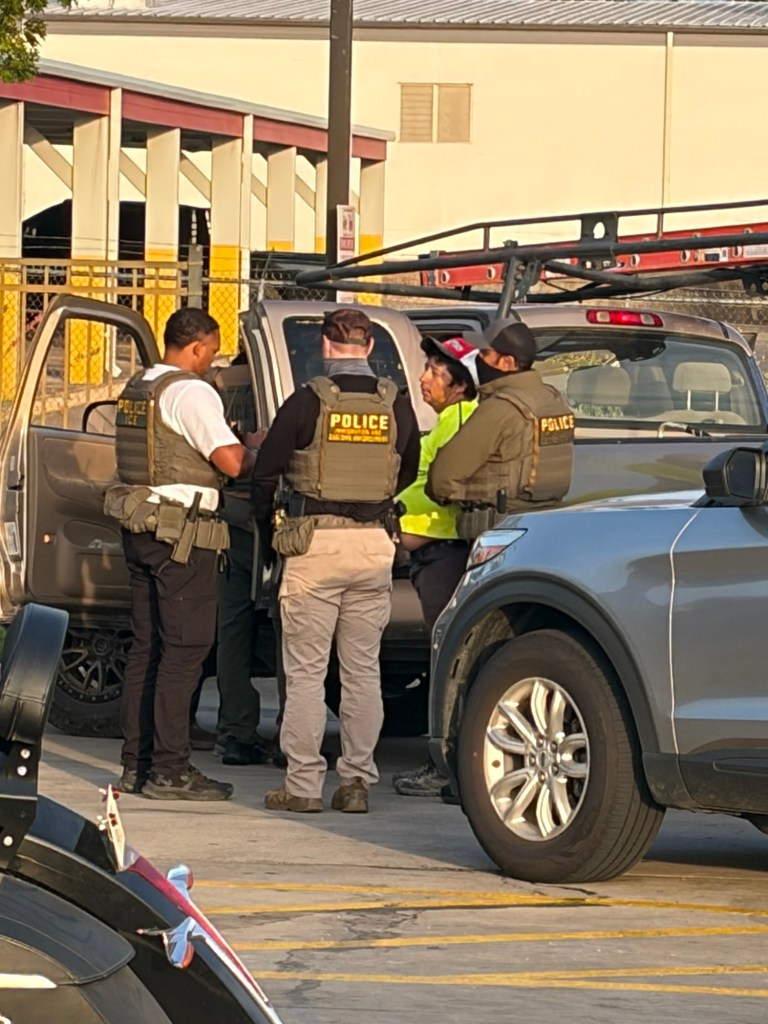
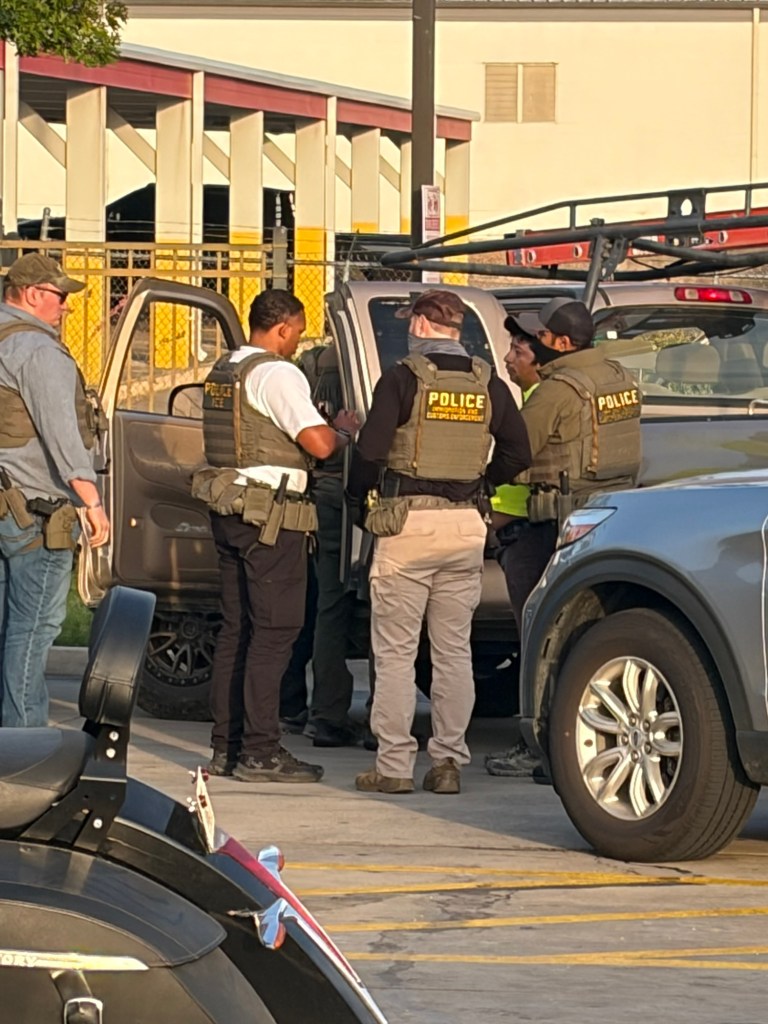
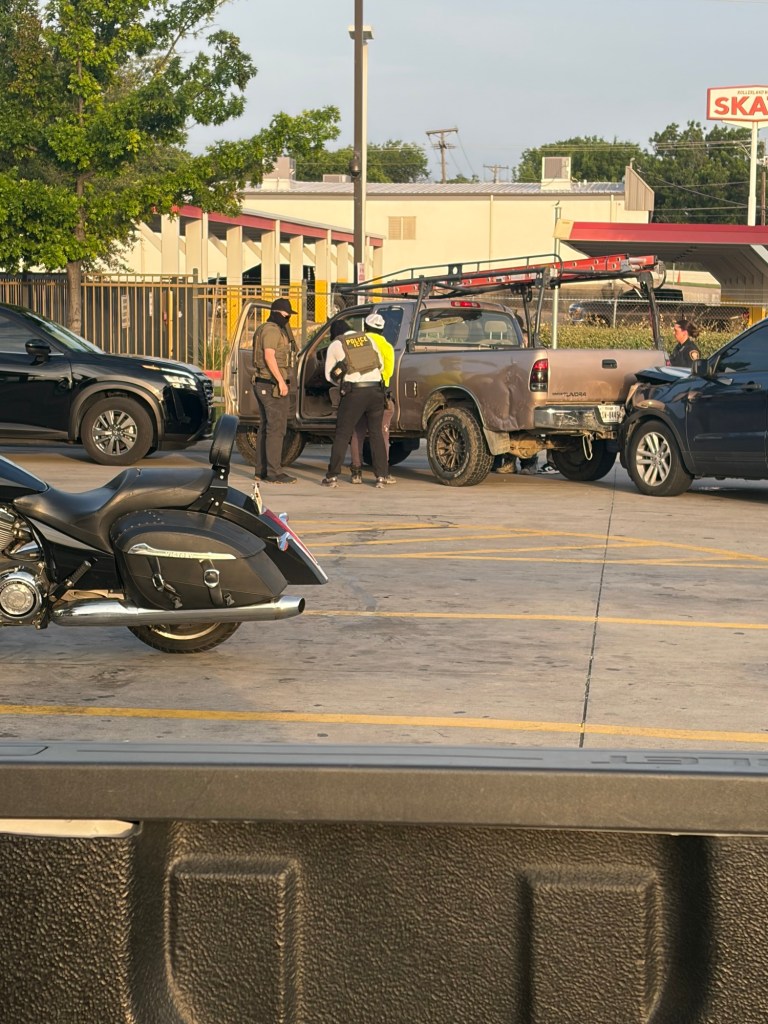
Last Saturday morning, the news became real for me. I stopped at the local QuickTrip for gas, a bag of ice, and my morning sausage biscuit. It was early Saturday morning and quiet for the normally busy OT station. There was a SUV with Oklahoma tags parked all by itself on the far end of the lot. It didn’t appear to be occupied, but it hit me as strange to be sitting out there all by itself. I went in, took care of my business, went back to my truck, and saw the SUV charge across the parking lot and rear-end what looked to be someone’s work truck with a loud crash. In front was another SUV that blocked the driveway. The collision caused damage to both SUVs and the truck. Four other SUVs surrounded the scene.   Lights came on – they’d been off prior to the collision giving no indication it was law enforcement – from each of the SUVs and eight to twelve ICE agents clad in combat gear with guns drawn swarming the vehicle. A Fort Worth police car had pulled up behind the ICE agents to observe the raid.

One agent busted through the driver’s side window, and they pulled a middle-aged Hispanic man from the driver’s seat and threw him to the ground. He offered no resistance to the agents that immediately handcuffed him and rushed him off to one of the other SUVs. Then the passenger, a younger Hispanic man – also handcuffed – had several ICE agents surrounding him, patting him down, and escorting him to another waiting vehicle. The agents began to mill about looking like big heroes, congratulating each other with big smiles, and patting each other on the back. By then, two other FWPD vehicles had pulled up. The two Fort Worth police officers stood there laughing and watching the whole affair.

It took me a moment to find my phone and start videoing the scene. Unfortunately, videography is one of my challenges and it wasn’t clear. I tried to take several stills as well, showing the faces of the FWPD officers involved and two or three of the unmasked ICE agents. I may not have their names – not that they would give them to me since masked thugs prefer anonymity – but I’m damn sure going to post the few faces I did see. I’m not the best photographer, especially with the trembling hands of an adrenaline rush, but by God I’m going to let them know that someone sees them and cast some light on their dark activity.

I try to treat everyone with common courtesy, dignity, and respect regardless of our differences. That’s become increasingly difficult with MAGA acolytes and the constant threats to the democracy and freedom I’ve been blessed to enjoy. Seeing this Gestapo-like behavior, over a decade’s worth of assaults on “the other”, assaults on our democracy and the rule of law, and the constant lies of a hateful, felonious narcissistic pedophile became a deluge that breached the dam of any self-control I’ve held onto. I was pissed

I didn’t hesitate to let them know I was filming their chickens*** bullying. The “F” word flowed freely as did “Nazi mother****ers “. I let the FWPD officers know they were no better as they stood there laughing. It wasn’t my best moment, but I was so angry to see their pompous, self-righteous BS that I simply had to call it as I see it.

I don’t know anything about the guys they arrested. They could be some of “the worst of the worst”, but it’ s far more likely they were like the overwhelming majority of detainees and were simply off to another day of work to provide for their families, contributing to our community, and paying taxes like everyone else. It’s been my privilege to work with many immigrants over the years, with and without documentation, and I’ve never met any finer coworkers or friends. They possess the very values of God (no matter what name they use), family, and work we profess to want from all our neighbors regardless of status.

The constant chaos we see and hear on the news each day tends to push immigration aside. Please don’t let it. We celebrated 250 years since the signing of the Declaration of Independence yesterday, a document signed by a bunch of immigrants to this country, in response to attacks on “life, liberty, and the pursuit of happiness”. Our treatment of immigrants, of the other, is a premonition of how we will all be treated if we remain silent in the face of injustice…

Activism, Community, Down On the Farm, Education, Emotional Health, Food Equality, Food Insecurity, Food Justice, Gardening, Gratitude, Marginalized, Neighbors, Non-Profits, Opal's Farm, Relationships, Respect, Service Organizations, Service to Others, Thoughts From the Porch, Unity Unlimited, Inc., Urban Farming, Volunteers, What Can I Do

Volunteer for Opal’s Farm: Making a Difference

Volunteering for Opal’s Farm is a noble pursuit, offering the chance to give back to your community, learn new skills, and make meaningful connections. However, to maximize your impact—not just for the organization, but for yourself as well—it’s important to approach volunteering with intention, preparation, and a spirit of collaboration. This comprehensive guide explores the steps and mindset that can help you become an effective, valued volunteer for Opal’s Farm and Unity Unlimited, Inc.

Is Opal’s Right for You?

One of the cornerstones of effective volunteering is choosing the right organization. To do this, reflect on the causes or issues that resonate most deeply with you. Are you passionate about education, healthcare, the arts, social justice, or environmental sustainability? When your personal interests align with Opal’s mission, you are far more likely to remain committed and enthusiastic.

  • Research: Please visit our website http://www.unityunlimited.org/opalsfarm
  • Assess Needs: Consider the type of work Opal’s Farm does and the roles available for volunteers. Some people say that not everyone is cut out for farming. That may be true to some extent -farming is not always easy, especially in North Texas. July and August may not be the best time to volunteer because of the heat: although we have a wonderful group from KPMG that comes on August 6th (their Founder’s Day) and works all day in the summer sun (Please know how much you’re appreciated KPMG!).

If the field isn’t the place for you there’s other opportunities in both administration and marketing.

  • Contact and Inquire: Don’t hesitate to reach out to our Volunteer Coordinator, Stacey Harwood. Stacey can be reached by phone or text at 817.819.7770 and by email at opalsfarm@unityunlimited.org. Stacey can fill you in on the volunteer days, hours, and special events such as our Volunteer Appreciation Cookout every 4th of July!

Setting Realistic Expectations

Volunteering is rewarding, but it can also be challenging. To avoid burnout or disappointment, set clear, realistic expectations for your involvement.

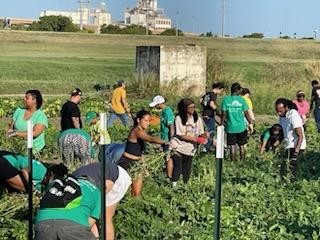
  • Time Commitment: Some of our regular volunteers come every week, especially on harvest days, some have monthly commitments, while others simply come when they have time. We don’t require a commitment as much as we would just like you to come out and find the joy of “dirt therapy” and serving the community.
  • Skills and Contributions: Reflect on what you bring to the table. Are you offering professional expertise (such as accounting, graphic design, or event planning) or general support (like distributing food or mentoring youth)?
  • Learning and Growth: Be open to learning but also communicate if there are skills or experiences you hope to gain through volunteering. We love to help volunteers expand their farming / gardening skills. Our hope is that our volunteers carry the skills they’ve learned at the farm to their own homes and neighborhoods.

Building Relationships and Collaborating

Effective volunteering is about more than just the work you do—it’s about the relationships you build. Cultivate strong, respectful relationships with staff, fellow volunteers, and the people or communities you serve. The farm doesn’t just grow and distribute healthy, fresh produce. We strive for a community of service and fellowship, bringing all our neighbors together in unity.

  • Be Professional and Respectful: Treat everyone with kindness and consideration, regardless of position or background.
  • Communicate Clearly: If issues arise or you are unable to fulfill a commitment, let Stacey know as soon as possible. Stacey will communicate when must shift or cancel volunteer times due to special events and staffing issues as well.
  • Embrace Teamwork: Opal’s loves collaboration. Is there something we can do better or are there positive partnerships we may be missing out on.

Staying Engaged and Motivated

Sustaining motivation in a volunteer role may require effort, especially over the long term. Here are some strategies:

  • Connect with the Mission: Regularly remind yourself why you chose to volunteer. Attend organizational events, read newsletters, and celebrate successes.
  • Seek Feedback: Constructive feedback helps you improve and demonstrates that your contributions are valued.
  • Reflect on Impact: Take time to notice and appreciate the difference your efforts make, whether it’s a smile, a thank-you note, or a tangible change in your community.

Demonstrating Flexibility and Adaptability

Non-profit work can be unpredictable. Program needs may shift, funding may fluctuate, or emergencies may arise. The most effective volunteers are those who can adapt gracefully to change.

  • Be Open-Minded: Embrace new tasks or responsibilities as they come up. Versatility is a valuable asset.
  • Problem-Solve Creatively: When challenges arise, seek solutions proactively rather than focusing solely on obstacles.
  • Support Others: Offer help to fellow volunteers or staff who may be struggling, and ask for assistance when you need it.

Understanding Boundaries and Self-Care

Helping others is rewarding, but it should not come at the expense of your own well-being. Recognize your boundaries and practice self-care.

  • Know Your Limits: Don’t overextend yourself. We don’t want anyone to have issues with the weather – especially the Texas summers. Stay hydrated and take breaks when you need to. We want everyone to have a great day at the farm. Let us know if problems arise or another task is more oriented to your skills and abilities.

Measuring and Celebrating Your Impact

Regularly assessing your contributions can be highly motivating and ensures that your efforts are aligned with the organization’s goals.

  • Track Outcomes: Ask how your work fits into these larger outcomes.
  • Share Stories: Celebrate milestones—both big and small. Sharing stories of impact can inspire others and reaffirm your commitment.
  • Solicit Recognition: Don’t be shy about sharing your accomplishments with your supervisor or team, especially if you believe it may help the farm or enhance your future volunteer roles.

Continuing Your Volunteer Journey

As you grow in your role, you may discover new interests or skills. Consider taking on additional responsibilities, mentoring new volunteers, or even serving on a board or committee. Ongoing learning and engagement deepen your impact and foster a richer, more fulfilling experience.

Remember, the most effective volunteers aren’t just those who give the most time—they are the ones who give with heart, purpose, and adaptability. By approaching your volunteer work thoughtfully and proactively, you help create stronger, more resilient organizations and, ultimately, a more compassionate world.

Conclusion

Volunteering at Opal’s Farm is a powerful way to contribute to the greater good and enrich your own life. Opal’s volunteers often tell us how much it affects their physical, mental, and spiritual heath in amazingly positive ways. Whether you are volunteering for the first time or are a seasoned community member, your efforts truly matter. The journey of service is a continuous learning process, filled with opportunities for growth, connection, and real change.

Community, Down On the Farm, Emotional Health, Equal Rights, Faith, Food Justice, God's Economics, Gratitude, History, Hope, Juneteenth, Neighbors, Opal's Farm, Peace, Prayer, Quotes, Racism, Relationships, Respect, Service Organizations, Service to Others, Simplicity, Social Justice, Spirituality, Thoughts From the Porch, Unity Unlimited, Inc.

Celebrating Juneteenth and Freedom

Happy Juneteenth to you all! Ms. Opal’s Walk for Freedom starts at 9:30 this morning. I hope you can be there. I will be at Opal’s Farm irrigating since veggies don’t like the hundred-degree heat. It is June in Texas!

I hope you all take a moment to reflect on the celebration of emancipation and what that means for all of us. I keep hearing Bob Marley’s “Redemption Song” in my head this morning – “Emancipate yourself from mental slavery none but ourselves can free our mind”. Freedom from racism, from hate, from all the isms and ways of thinking that hold us all in bondage. As Ms. Opal Lee always reminds us, “If someone can be taught to hate then they can be taught to love” and “No one is free until we are all free.”

I hope you all celebrate release from bondage today in the spirit of Juneteenth and freedom for all. Ms. Opal says we should celebrate from Juneteenth to July 4th. I can do that and hope you all will too!

Side note – Taste of Juneteenth will be on July 1st at Panther Island Pavilion. There will be BBQ pitmasters competing in the BBQ cookoff and delicious sides. Come for a day of celebration and great food!

https://www.youtube.com/watch?v=kOFu6b3w6c0

Choices, Climate Change, Community, Consequences, Education, Equal Rights, Events, Faith, Food Equality, Food Insecurity, Food Justice, Gardening, Gratitude, Hope, Neighbors, Non-Profits, Nutrition, Opal's Farm, Preparation, Regeneration, Respect, Responsibility, Service to Others, Simplicity, Social Justice, Spirituality, Unity Unlimited, Inc., Urban Farming, What Can I Do

What is bio-intensive farming?

We are asked that question frequently as we move our first third of an acre to bio-intensive farming versus the “tractor” farming we have done for the first four years at Opal’s Farm.. The simplest definition of “bio-intensive farming” is to use organic methods to achieve “maximum yields from a minimum area of land, while simultaneously increasing biodiversity and sustaining the fertility of the soil.”( http://bionica.org/library/biointensive-method/ )

When properly implemented, bio-intensive farming has the potential to:

  • topsoil at a rate 60 times faster than in nature” (Worldwide Loss of Soil – and a Possible Solution Ecology Action, 1996).

At Opal’s, the third of an acre that is being transformed this Spring has 134 twenty-five-foot beds. Most of these beds are for tomatoes, peppers, and eggplants but they also contain some of our carrot crop, radishes, greens, and lettuces/salad mixes. Each of these beds yield produce equal to what our 100-foot rows have done in the past. We hope to add more bio-intensive beds over the coming growing seasons.

Bio-intensive means just that – intensive. Management of these beds requires constant attention, but even the time spent on each bed is lessened as the soil becomes cleaner (less weeds) and healthier. The system is perfect for the home gardener or small producer like Opal’s.

Building the infrastructure for bio-intensive farming is time-consuming. That’s one reason we have not utilized it in the past. We’ve simply not had the labor to build and maintain these beds in the past. Now that we’ve added Amber Carr and Amanda Vogel to our staff, we are able to change our focus, knowing that once the infrastructure is in place we never have to build it again! We’ll be sharing our successes with you over the coming Spring and long-term plans are to have educational classes available to the community.


Side Note!

I would be remiss if I didn’t tell you how much we appreciate the Natural Resource Conservation Service (NRCS). On February 23rd, they came in mass with engineers to help design a more efficient irrigation system for us. We already have drip irrigation for our bio-intensive section, but having more efficient water use over the whole farm is something we’ve been striving for since the beginning.

NRCS and its parent agency, the USDA, have begun to concentrate on urban agriculture and smaller producers in a big way. We can lead the way in developing practices and programs right here for future urban farms in North Texas. We would love to thank our Urban Agriculture representative, Michael Higgins, and our NRCS rep for this district, Michael Brookes, for the extra attention and help they are giving Opal’s and urban agriculture throughout the metroplex!