Bad Weather, Choices, Climate Change, Community, Conservation, Creation, Down On the Farm, Environment, Faith, Food Justice, Gardening, Hope, Neighbors, Non-Profits, Opal's Farm, Plowing, Preparation, Simplicity, Spirituality, Texas, Thoughts From the Porch, Transformation, Unity Unlimited, Inc., Urban Farming, What Can I Do

One Farm at a Time

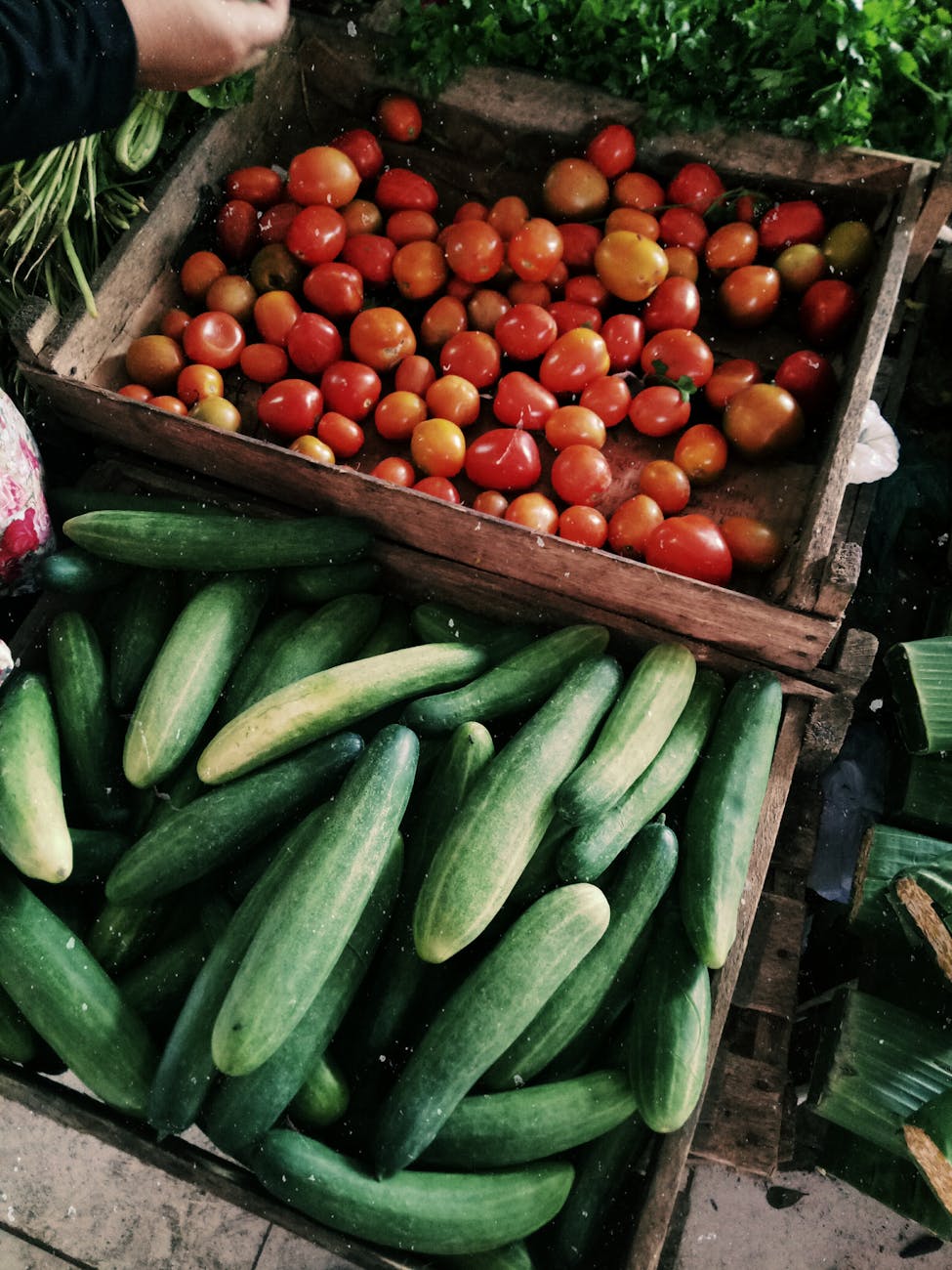
What a week at Opal’s Farm! We have everything in for fall and winter and have started taking out spring leftovers, rebuilding beds, and solarizing them for weed control in the spring. We finally took out our tomato plants, but not before harvesting about a hundred and fifty pounds of tomatoes – and it’s ten days until Christmas. We love that a hard freeze hasn’t come yet, but we’re also a bit worried as this is another indicator of how strange our weather has become.

The weather is a “frienemy” for farmers – it brings the rain that helps the crops grow or the drought that kills them off. It’s the one thing we can’t control. We may do a rain dance or pray a freeze holds off until the crops come in, but in the end, the weather does what it will.

However, even weather has things it can’t control either – a warming climate changes the weather – leading to warmer average temperatures and more intense weather events. The intensity of our North Texas summer over the last two years is an example. In 2022, the heat came early, and the rain stopped. There was no rain from June 3rd until August 29th. It was much the same this year        with 2023 being the second hottest year on record according to the Texas Tribune and NOAA. Moreover, when it finally did rain, it rained so much and so heavily that Opal’s Farm suffered flash floods both years.

Hardiness Zones – the zones which show the lowest temperature in a zone and determine the growing season – have gradually moved northward. According to Yale Environment 360, hardiness zones were moved northward from 1990 to 2012 and are moving at a rate of just over thirteen miles per year. The heat is headed northward. Fort Worth has shifted from Zone 8b to Zone 8a. What and how much we grow changes as the zones move north.

So, What Do We Do?

Opal’s farms about two-and-a-third acres at present. We are growing into the full five acres granted to us by the Tarrant Regional Water District. We don’t expect to see major changes, the amount of land is negligible in the grand scheme of things. However, there is something we can do that’s consistent with our core values of resilience and regeneration.

First, we can continue to research and try non-native (but non-invasive) varieties of food crops that are both heat tolerant and drought resistant. Our salad mix uses Tokyo Bekana along with other Asian greens. Tokyo Bekana looks and tastes like lettuce (some say even better) but it’s actually related to Chinese cabbage. It fares much better than traditional lettuces that can only be grown in early Spring or late Fall. It can be grown year-round in North Texas.

We use this same practice on other crops as well. We are slowly beginning to turn to south Asian foods like bitter melon, bottle gourds, and yard-long beans. The beans are quite prolific and love the summer heat.

Secondly, we never leave exposed soil. Cover cropping is essential. Always have living roots. We are finishing up cover cropping all all non-food crop beds. We use Austrian Winter Peas and Elbon Rye in the winter time. Legumes like the peas fix nitrogen into the soil and the rye’s root system keep the soil broken up and able to retain water and oxygen better for the soil microbes. We use various mixes that we purchase from Green Cover Seed in the warmer months.

Finally, we sequester carbon in the soil. Our biointensive beds are no-till while the remainder of the farm is minimal till. Dr. Omar Harvey, with the Geosciences Department at Texas Christian University, had students researching carbon sequestration at Opal’s Farm beginning two years ago. The explanation of the methods used is several pages long, so I’ll not bore you with the process, but the results are important. Dr. Harvey’s students were able to quantify the carbon sequestered away on the farm and found it to be 168 metric tons per acre.

Why is that important?

It’s important for two reasons. One, the research confirmed not only the amount but the type of carbon – deep carbon. When the carbon is sequestered deep in the soil it stays there and is less likely to be released into the atmosphere. The carbon sequestered in the upper eight inches of soil is still available for the plants which is a winner for both the climate and us.

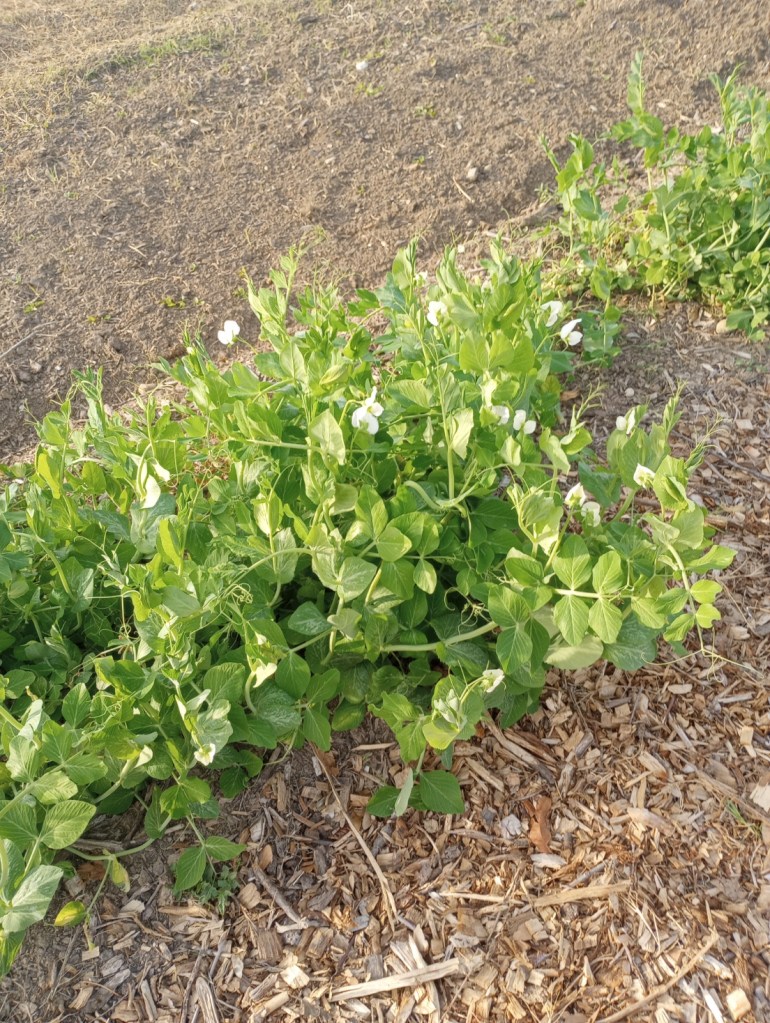
Our Sugar Snap Peas are blooming and will be available shortly!

I have mixed emotions about the second, and most economically beneficial, reason – that being the figure for carbon credits.  At four to five dollars per metric ton Opal’s could generate anywhere from nine to eleven hundred dollars per year in extra revenue. Alternative revenue streams are a must for small farmers.

However, the alternative here seems to be a bit of greenwashing. The idea that a company such as an airline can use carbon credits to meet their climate “goals” while continuing business as usual is somewhat opaque in nature. The bottom line however is that carbon is sequestered and can offset the gases released into the atmosphere. The more regenerative agriculture practiced, the more carbon stored away and an alternative income stream for farmers doing what they do naturally.

Whether for the economic benefits or for the common good, regenerative agriculture can play a large part in facing the climate crisis. Next Spring, we are attending classes to become Carbon Farm Planners. Agriculture can be part of the solution and the more we know the more equipped we are for positive change.

We may not be able to change the weather, but we can do our part to adapt and bring healthy, nutritious produce to Fort Worth and fight climate change in our little piece of Texas. As Ms. Opal often reminds me, “Be a committee of One”. I remember Dad telling me that “everybody complains about the weather, but nobody does anything about it”. Being a Committee of One, one small urban farm, is doing something about it. Join us in the fight. As Mother Teresa said, “If you can’t feed a hundred people then just feed one”…

Awe, Climate Change, Community, Connection, Creation, Down On the Farm, Environment, Opal's Farm, Relationships, Seasons, Simplicity, Spirituality, Summer, Thoughts From the Porch, Trinity River

Egrets, Yep, Egrets

I’m sitting at home alone tonight. That’s not a bad thing. It just is. Margaret has been in the hospital and moved to a rehab hospital for a couple of weeks. I’ve daily trips to the hospital, Opal’s Farm, the hospital, and back home to work. Add to that all the Juneteenth festivities and I can safely say its’ been a crazy busy June!

I’m harvesting between 400 and 600 pounds of tomatoes per week since everything started to come in during May. Sales have been great at the market, but with so many tomatoes I’ve had to start selling them to another non-profit that serves the WIC clinics in Dallas and to the Tarrant Area Food Bank. Delivering to Dallas has not been one of my favorite tasks although I love the folks at Owenwood Farm. I still maintain that the best thing to come out of Dallas is Interstate Thirty West…

Needless to say, this is the first opportunity I’ve had to sit down and write for the last two months. It’s also the first chance I’ve had to catch up with many of the blogs I follow as well and sit down to go through my personal email account. If you haven’t seen a like or comment, please don’t take it personal. I simply haven’t had time to read.

 I’ve said all that so I can now talk about what’s been on my mind the last month – Egrets. Yep, birds. After a couple of months of silence, one would think I have more to say but… Egrets -those beautiful, long-legged white birds related to Herons. We used to call them cowbirds when I was little because of the way they hung around, and on, the cattle to eat insect pests. I see them frequently at the farm. Mostly nesting and wading about searching for food on the far bank of the Trinity River.

Photo by Mohan Nannapaneni on Pexels.com

We even have some state wildlife and research students with a tracker following the birds they’ve tagged. I’m happy to report that they shall have an abundance of birds to tag this year. There was an unusually heavy baby boom this Spring. The farm is often covered in groups of young Egrets walking about and I’ve become acquainted with some of them. At least I think I have…

This probably doesn’t mean anything to anyone else, but since my cataract surgery in May I’ve been able to see better than I have in many years. My vision is so clear now that I’ve been able to see things I’ve never noticed before like Egrets and their personalities. I’m fully aware of the human tendency to anthropomorphize other creatures but I’m convinced they are much like us – at least the young ones anyway.

Juvenile Egrets are smaller in stature as young ones tend to be. Unlike their parents (who by the way both take care of the nesting and young) they aren’t all white. They have a tan section on their head, breast, back feathers. Occasionally they will raise their head feathers to reveal a small, tan mohawk. It fades to white as they grow older. They always hang around in groups of ten to fifteen. They have one young guy who they’ve appointed leader – they seem to follow pretty much everywhere. If he moves north, they all move north, if he takes off, they all take off in file behind him – that is, all except for one.

I love this little guy – I imagine him to be a bird version of me. He’s always the last one to fly or walk away when I come down the road or walk up to the pumphouse. I can relate. I was usually the one picked last or left behind. The others sense danger approaching and tend to take off as soon as I get close, but this little guy hangs around. He’s allowed me to get closer each day. Each day he grows more curious about this big, flightless biped that talks to him as if we share the same language. His head tilts one way and then the other. He’s even ventured a couple of steps toward me if I stand still long enough. I’m sure passers-by would find me a tad insane standing in a field talking to a bird. I’m okay with that. The young fellow makes for good company on a hot day.

Over the last week the groups of young birds have gotten smaller and less frequent. It appears that most have moved on to do what it is that Egrets do. I’d move on too with the triple-digit heat we’ve had of late – at least somewhere with some shade. There’s been some hangers-on. I’m sure they live with mom and dad. Most of the remaining young birds are professional students of some kind – they never seem to graduate and move out on their own. That’s been my experience anyway…

I wish them all well as they move on to adult things. I’ll miss my companions but like everything else in life, there are seasons for everything and everyone. The farm is a great teacher about the cycle of life all flora and fauna, and people, go through. It’s also been a sage, teaching me how interconnected the world is – how interdependent we are. I learn daily the need for responsible stewardship and just how awesome God’s creation is.

With that I’m off to the farm to irrigate. We’re fortunate that our water is virtually free. It takes a lot to survive the Texas summer, especially in the days of climate change and warming temperatures. The UV rays of the sun have been exceptionally strong this year – a constant reminder of the new normal and our responsibility to keep it from getting worse. After all, I want to have the Egrets around to talk to for a long time…

Community, Down On the Farm, Emotional Health, Equal Rights, Faith, Food Justice, God's Economics, Gratitude, History, Hope, Juneteenth, Neighbors, Opal's Farm, Peace, Prayer, Quotes, Racism, Relationships, Respect, Service Organizations, Service to Others, Simplicity, Social Justice, Spirituality, Thoughts From the Porch, Unity Unlimited, Inc.

Celebrating Juneteenth and Freedom

Happy Juneteenth to you all! Ms. Opal’s Walk for Freedom starts at 9:30 this morning. I hope you can be there. I will be at Opal’s Farm irrigating since veggies don’t like the hundred-degree heat. It is June in Texas!

I hope you all take a moment to reflect on the celebration of emancipation and what that means for all of us. I keep hearing Bob Marley’s “Redemption Song” in my head this morning – “Emancipate yourself from mental slavery none but ourselves can free our mind”. Freedom from racism, from hate, from all the isms and ways of thinking that hold us all in bondage. As Ms. Opal Lee always reminds us, “If someone can be taught to hate then they can be taught to love” and “No one is free until we are all free.”

I hope you all celebrate release from bondage today in the spirit of Juneteenth and freedom for all. Ms. Opal says we should celebrate from Juneteenth to July 4th. I can do that and hope you all will too!

Side note – Taste of Juneteenth will be on July 1st at Panther Island Pavilion. There will be BBQ pitmasters competing in the BBQ cookoff and delicious sides. Come for a day of celebration and great food!

https://www.youtube.com/watch?v=kOFu6b3w6c0

Awe, Belief, Choices, Christian Mysticism, Connection, Emotional Health, Faith, Freedom, Grace, Gratitude, Miracles, Quotes, Rescue Animals, Serenity, Service to Others, Simplicity, Spirituality, Springtime, Thoughts From the Porch

Enough is Enough

I sat on the porch this morning drinking coffee and soaking in the morning. It’s been sprinkling off and on all morning but not enough to keep the mockingbirds and the doves from their vibrant singing and cooing. It’s been unseasonably cool and overcast this morning, but the birds reminded me Spring is really here.

It’s times like these I see how blessed I am. I most certainly don’t deserve it. I spent most of my life making poor choices and living the way addiction dictated how I live. It wasn’t until almost twenty years ago that I finally surrendered, choosing life, and living in the Spirit as best I can. I haven’t been wealthy – this is not another “Prosperity Gospel” tale – but I’ve always had enough. Enough truly is enough…

I was speaking with a friend the other day. They have lived a life of escaping poverty. They grew up in the rural Midwest where the average income was less than ten thousand dollars a year (substantially less) and they didn’t even have electricity for many years of their young life. It’s still difficult for me to remember that there were (and are) people who lived like that in the twentieth and twenty-first centuries. As a result, they spend time worrying about never having enough and the fear of losing what they have.

I have also lived in poverty in the past, but mine was of my own making. It was something I never imagined growing up in an upper middle-class home in the suburbs. The fear and constant looking over my shoulder and harming the very ones I loved was something I never intended, but it became more real as my addiction progressed. I often fail to understand the trauma that comes with poverty forced on someone by birthplace and circumstance. I can’t pretend to know the fear that comes with falling back into such a state. I can, however, be present to the reality of my friend.

I believe that has led to so much introspection over the last few weeks. Most of the fear has been removed through my years of recovery. I’m no longer confused. As Brennan Manning says, “Everything is grace.” I have what I have, not because of my own efforts, but because God has graciously provided enough – enough of life’s necessities so I can share and be of service to those around me. I work hard because I have something to offer the world around me. As such, it’s become much easier to live in the world and to be present.

Photo by Hugo Magalhaes on Pexels.com

Saint Francis said, “Above all the grace and gifts that Christ gives to his beloved is that of overcoming self.” It constantly amazes me when I find joy in driving in rush hour traffic because the bluebonnets and other wildflowers are in full bloom along the side of the freeway. When I let go of who I think I am, both when I have an over-inflated ego or tell myself I’m the scum of the Earth – I’m free to acknowledge what a loving God thinks of me. I see the God lives in everything that surrounds me.

“We have very little, so we have nothing to be preoccupied with. The more you have, the more you are occupied, the less you give. But the less you have, the more free you are.”

– Mother Teresa

As I sit at my desk writing this morning, I have four dogs sleeping all around my feet. Ricky and Lucy – the “twins” have exhausted themselves playing together. Jameson is laid across my feet, most likely keeping me working (I’m afraid to move but my foot’s going to sleep!). Sadie is gently snoring by my side. I’m not sure life will get any better. They remind me constantly that I’m important to them and somehow, it’s a constant reminder that God loves me unconditionally. They remind me that “everything is grace” …

If you decide for God, living a life of God-worship, it follows that you don’t fuss about what’s on the table at mealtimes or whether the clothes in your closet are in fashion. There is far more to your life than the food you put in your stomach, more to your outer appearance than the clothes you hang on your body. Look at the birds, free and unfettered, not tied down to a job description, careless in the care of God. And you count more than birds.

Has anyone by fussing in front of the mirror ever gotten taller. All this time and money wasted on fashion – do you think it makes much difference? Instead of looking at the fashions, walk out into the fields and look at the wildflowers. They never primp or shop, but have you ever seen color and design quite like it? The ten best-dressed men and women in the country look shabby beside them.

If God gives such attention to the wildflowers… don’t you think he’ll attend to you, take pride in you, do what’s best for you. What I’m trying to do is get you to relax, to not be so preoccupied with getting, so you can respond to God’s giving… Steep your life in God-reality, God-initiative, God-provisions. Don’t worry about missing out. You’ll find all your human concerns will be met.”

Matthew 6.27-33 (The Message – Jesus quoted by Eugene Peterson)
Choices, Climate Change, Community, Consequences, Education, Equal Rights, Events, Faith, Food Equality, Food Insecurity, Food Justice, Gardening, Gratitude, Hope, Neighbors, Non-Profits, Nutrition, Opal's Farm, Preparation, Regeneration, Respect, Responsibility, Service to Others, Simplicity, Social Justice, Spirituality, Unity Unlimited, Inc., Urban Farming, What Can I Do

What is bio-intensive farming?

We are asked that question frequently as we move our first third of an acre to bio-intensive farming versus the “tractor” farming we have done for the first four years at Opal’s Farm.. The simplest definition of “bio-intensive farming” is to use organic methods to achieve “maximum yields from a minimum area of land, while simultaneously increasing biodiversity and sustaining the fertility of the soil.”( http://bionica.org/library/biointensive-method/ )

When properly implemented, bio-intensive farming has the potential to:

  • topsoil at a rate 60 times faster than in nature” (Worldwide Loss of Soil – and a Possible Solution Ecology Action, 1996).

At Opal’s, the third of an acre that is being transformed this Spring has 134 twenty-five-foot beds. Most of these beds are for tomatoes, peppers, and eggplants but they also contain some of our carrot crop, radishes, greens, and lettuces/salad mixes. Each of these beds yield produce equal to what our 100-foot rows have done in the past. We hope to add more bio-intensive beds over the coming growing seasons.

Bio-intensive means just that – intensive. Management of these beds requires constant attention, but even the time spent on each bed is lessened as the soil becomes cleaner (less weeds) and healthier. The system is perfect for the home gardener or small producer like Opal’s.

Building the infrastructure for bio-intensive farming is time-consuming. That’s one reason we have not utilized it in the past. We’ve simply not had the labor to build and maintain these beds in the past. Now that we’ve added Amber Carr and Amanda Vogel to our staff, we are able to change our focus, knowing that once the infrastructure is in place we never have to build it again! We’ll be sharing our successes with you over the coming Spring and long-term plans are to have educational classes available to the community.


Side Note!

I would be remiss if I didn’t tell you how much we appreciate the Natural Resource Conservation Service (NRCS). On February 23rd, they came in mass with engineers to help design a more efficient irrigation system for us. We already have drip irrigation for our bio-intensive section, but having more efficient water use over the whole farm is something we’ve been striving for since the beginning.

NRCS and its parent agency, the USDA, have begun to concentrate on urban agriculture and smaller producers in a big way. We can lead the way in developing practices and programs right here for future urban farms in North Texas. We would love to thank our Urban Agriculture representative, Michael Higgins, and our NRCS rep for this district, Michael Brookes, for the extra attention and help they are giving Opal’s and urban agriculture throughout the metroplex!